May. 28, 2026
Small and medium enterprises (SMEs) in the automotive parts manufacturing industry face increasing pressure to improve productivity, maintain product quality, and control production costs. For businesses involved in constant velocity (CV) joint manufacturing, selecting the right CV joint machines is essential for achieving efficient production while staying competitive in the market.
Modern CV joint machines help manufacturers improve machining precision, reduce labor dependency, increase production consistency, and lower operational expenses. However, SMEs often operate with limited budgets and factory space, making cost-effective equipment selection a critical business decision.
This article explores the best strategies for choosing affordable and efficient CV joint machines for small and medium enterprises while maintaining high production quality and long-term profitability.
A constant velocity (CV) joint is a mechanical component used in automotive drive shafts to transfer power smoothly at different angles and rotational speeds.
CV joints are commonly used in:
Passenger vehicles
SUVs
Commercial trucks
Electric vehicles
Agricultural machinery
They are essential for ensuring smooth power transmission and vehicle stability.
CV joints operate under high rotational loads and constant movement. Therefore, manufacturers must ensure:
High dimensional accuracy
Smooth surface finish
Tight tolerances
Excellent hardness consistency
Long service life
High-quality CV joint machines help manufacturers meet these demanding requirements.
Small and medium enterprises often face challenges such as:
Limited investment budgets
Rising labor costs
Limited factory space
Increasing competition
Demand for higher precision
Shorter production cycles
Cost-effective CV joint machines help SMEs achieve:
Lower production costs
Faster return on investment
Improved productivity
Stable product quality
Reduced maintenance expenses
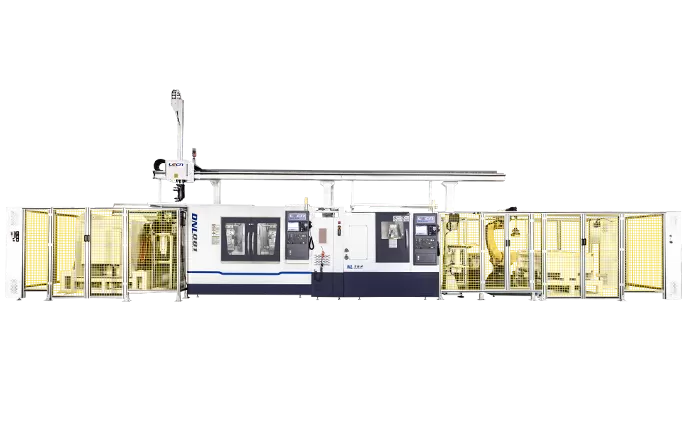
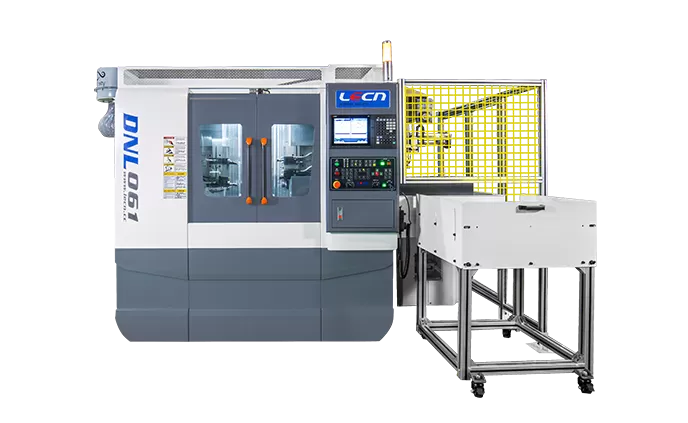
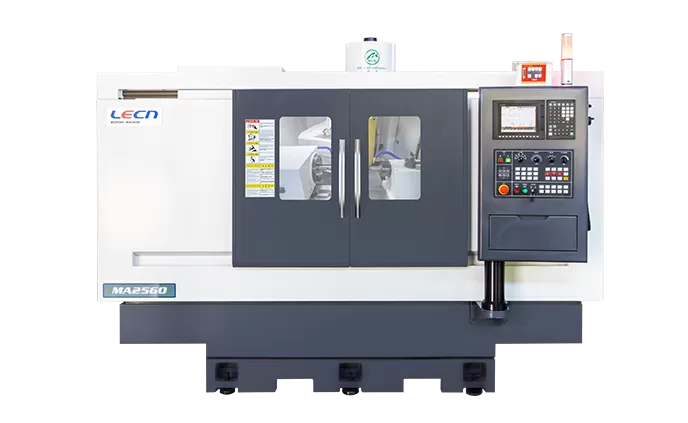
1. CNC Turning Machines
CNC lathes are widely used for machining CV joint outer races, inner races, and shafts.
Advantages
High machining precision
Automation capability
Reduced manual operation
Stable repeatability
Ideal for SMEs Because
Compact CNC turning centers offer affordable automation without requiring large factory areas.
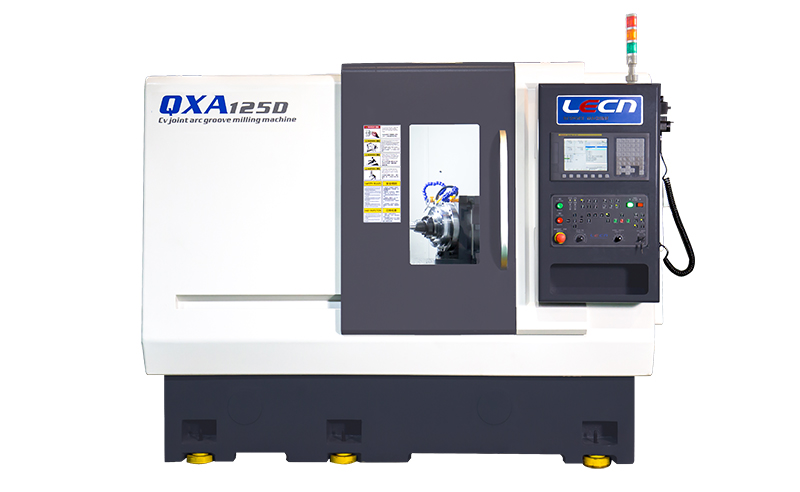
2. CV Joint Groove Grinding Machines
These machines are used for precision grinding of CV joint tracks and grooves.
Key Benefits
Improved surface finish
High dimensional accuracy
Reduced friction
Better product durability
Modern CNC grinding machines improve consistency while reducing material waste.
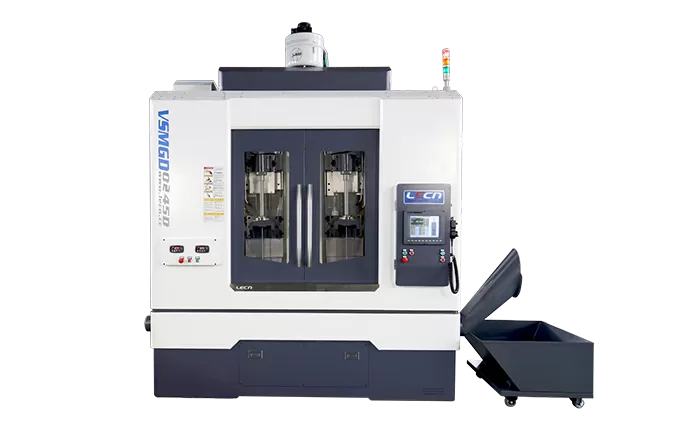
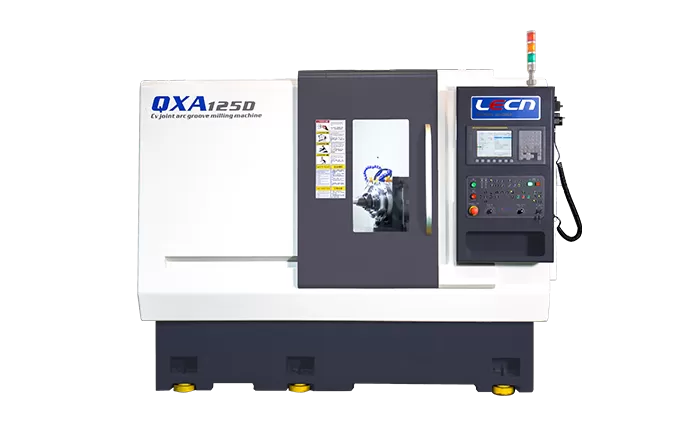
3. Ball Track Milling Machines
Ball track milling machines are essential for producing accurate groove profiles.
Features
Multi-axis machining
Stable cutting performance
High-speed operation
Compact models are available for medium-scale production facilities.
4. Heat Treatment Equipment
Heat treatment is critical for CV joint durability.
Common Heat Treatment Processes
Induction hardening
Quenching
Tempering
Energy-efficient heat treatment systems help SMEs reduce operating costs.
5. Assembly Machines
Automatic or semi-automatic assembly machines improve production efficiency.
Advantages
Faster assembly speed
Reduced labor requirements
Improved consistency
Entry-level automated assembly systems are increasingly affordable for SMEs.
1. Production Capacity
SMEs should select machines based on realistic production requirements.
Avoid Common Mistakes
Buying oversized equipment
Investing in unnecessary automation
Ignoring future scalability
Machines should support both current demand and moderate future growth.
2. Automation Level
Automation can significantly reduce labor costs.
Semi-Automatic Machines
Suitable for:
Small workshops
Lower production volumes
Budget-conscious businesses
Fully Automatic Machines
Suitable for:
Growing SMEs
Higher production demands
Long-term expansion
Many SMEs begin with semi-automatic systems and upgrade gradually.
3. Machine Footprint and Space Efficiency
Factory space is often limited for SMEs.
Compact Machine Designs Help
Maximize floor space
Improve workflow
Reduce installation costs
Integrated multi-function machines are especially valuable for smaller factories.
4. Energy Efficiency
Energy consumption directly impacts production costs.
Energy-Efficient Features Include
Servo motor systems
Inverter technology
Smart power management
Efficient cooling systems
Lower energy consumption improves long-term profitability.
5. Ease of Maintenance
Simple maintenance reduces downtime and repair costs.
Important Maintenance Considerations
Spare parts availability
User-friendly controls
Accessible machine components
Remote technical support
Machines with complex maintenance requirements may increase operational costs.
6. Machining Accuracy
Even cost-effective machines must maintain high precision.
Critical Quality Requirements
Groove profile accuracy
Surface roughness
Dimensional consistency
Hardness stability
Poor machining quality can lead to product failure and customer complaints.
7. Software and CNC Control Systems
Modern CNC systems improve productivity and operator convenience.
Useful CNC Features
Touchscreen interfaces
Program memory
Automatic compensation
Real-time diagnostics
Easy-to-use systems reduce training requirements for SMEs.
8. Supplier Technical Support
Reliable after-sales service is extremely important.
SMEs Should Evaluate
Installation support
Operator training
Spare parts supply
Online troubleshooting
Warranty coverage
Strong technical support minimizes production interruptions.
Improved Productivity
Automation reduces manual labor and increases production speed.
Better Product Consistency
CNC machining ensures stable production quality.
Reduced Scrap Rates
Precision machining reduces raw material waste.
Faster Delivery Times
Efficient production systems improve customer response capability.
Lower Labor Dependency
Automated systems help SMEs address labor shortages.
Automotive Manufacturing
Traditional passenger vehicles remain the largest market.
Electric Vehicle Industry
EV growth is increasing demand for precision drivetrain components.
Automotive Aftermarket
Replacement CV joint demand remains strong worldwide.
Agricultural Machinery
Heavy-duty drivetrain systems require durable CV joints.
Smart Manufacturing Trends in CV Joint Production
Industry 4.0 Integration
Modern CV joint machines increasingly support:
Production monitoring
Predictive maintenance
Remote diagnostics
Data analysis
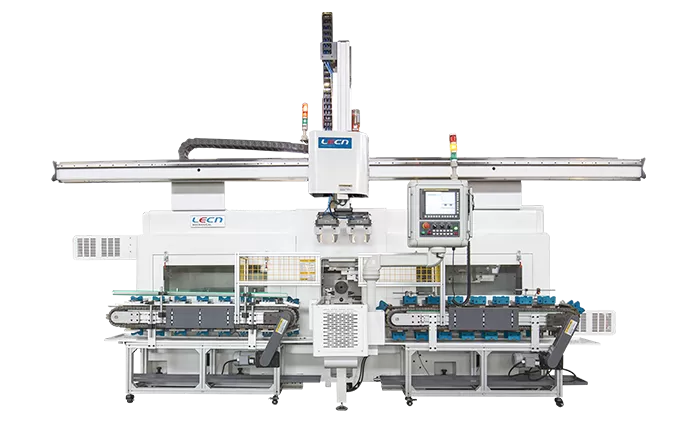
Robotic Automation
Robotic loading systems improve production efficiency for growing SMEs.
AI-Based Quality Inspection
Vision inspection systems help reduce defects and improve consistency.
Start with Scalable Equipment
Choose machines that allow future upgrades.
Prioritize Core Production Processes
Invest first in critical machining operations.
Compare Total Cost of Ownership
Do not focus only on purchase price.
Consider:
Energy costs
Maintenance expenses
Productivity
Machine lifespan
Work with Experienced Manufacturers
Reliable suppliers help reduce operational risks.
Common Mistakes SMEs Should Avoid
Buying Low-Quality Machines
Cheap equipment may lead to:
Frequent breakdowns
Poor precision
High maintenance costs
Ignoring Operator Training
Well-trained operators improve machine utilization and product quality.
Overinvesting in Complex Automation
SMEs should balance automation with realistic production needs.
Compact Smart Machines
Manufacturers are developing smaller, intelligent production systems for SMEs.
Energy-Saving Technologies
Eco-friendly production systems are becoming increasingly important.
Flexible Manufacturing Systems
Multi-purpose machines improve production flexibility.
Cost-effective CV joint machines help small and medium enterprises improve manufacturing efficiency, maintain product quality, and stay competitive in the automotive parts industry.
When selecting CV joint machinery, SMEs should focus on:
Production capacity
Automation level
Machining precision
Energy efficiency
Maintenance requirements
Space optimization
Supplier support
Modern CNC and automated CV joint machines offer significant advantages for businesses seeking sustainable growth and improved profitability.
As automotive manufacturing continues evolving, especially with the expansion of electric vehicles, SMEs that invest in efficient and scalable CV joint production equipment will be better positioned for long-term success in the global market.

Previous: None
Next: None