Feb. 09, 2026
In modern automotive manufacturing, drivetrain reliability and smooth power transmission are essential performance indicators. One of the most critical components that ensures this performance is the Constant Velocity (CV) joint. To achieve the strict quality standards required by today’s vehicle manufacturers, specialized equipment known as the CV Joint Machine is widely used in production lines around the world.
This article provides a complete and SEO-friendly introduction to CV joint machines, covering their functions, working principles, advantages, applications, and future development trends.
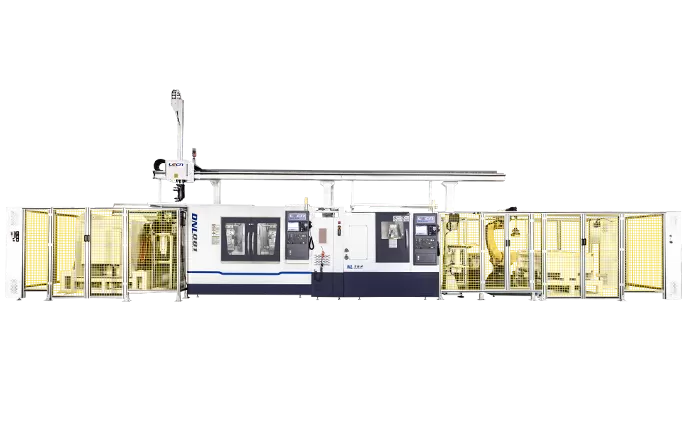
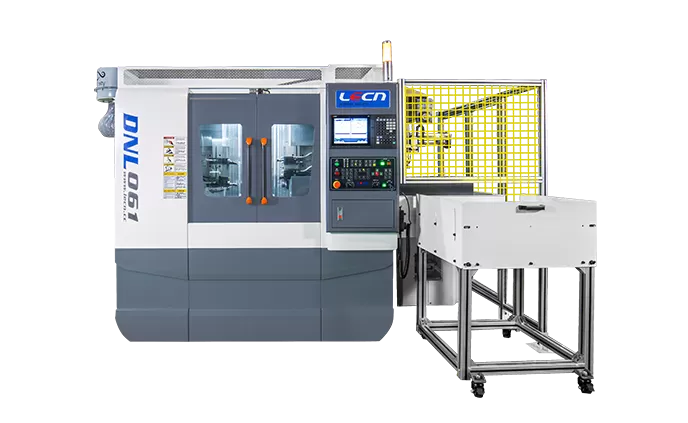
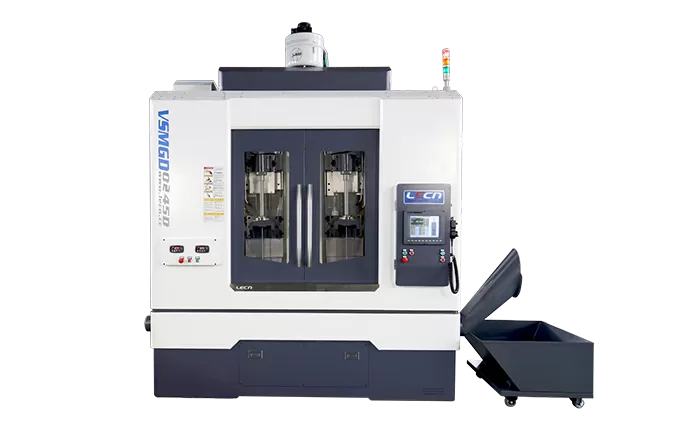
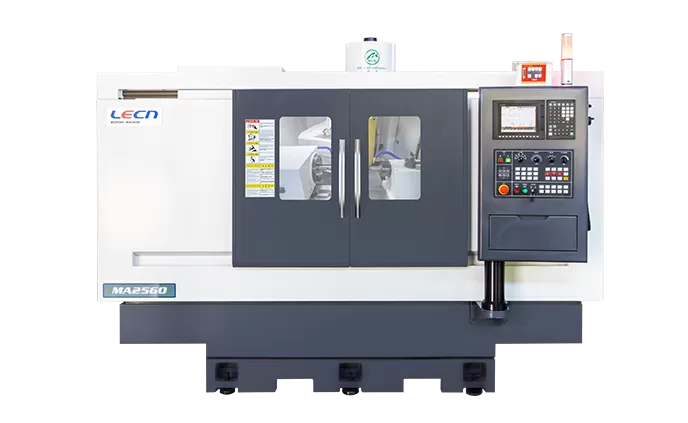
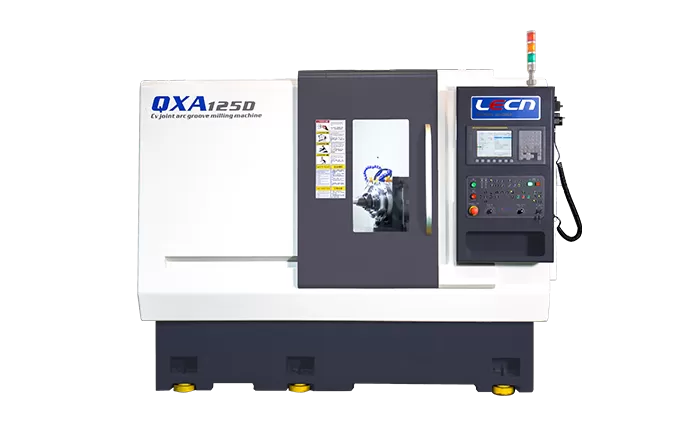
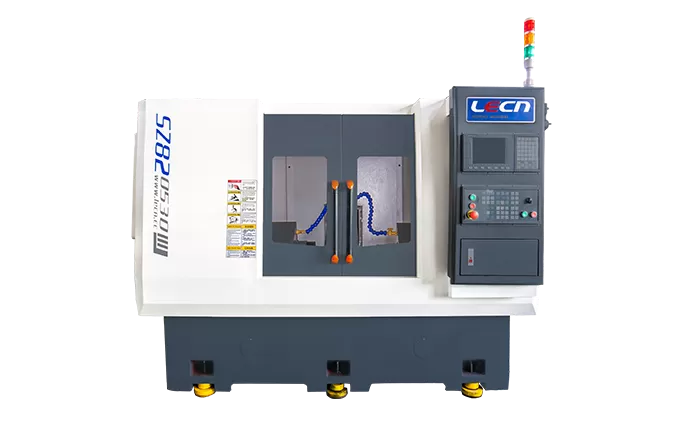
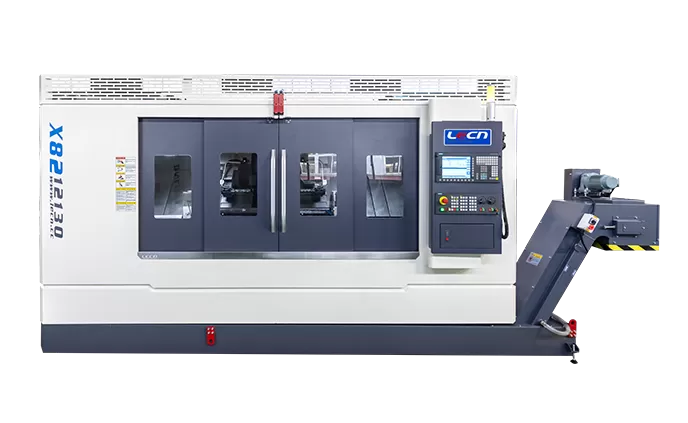
A CV Joint Machine refers to a category of precision CNC and automated equipment designed specifically for the manufacturing of constant velocity joints. These machines are engineered to process complex geometries and maintain extremely tight tolerances that are difficult to achieve with general-purpose CNC equipment.
CV joint machines are typically used for machining inner races, outer races, cages, and shafts, ensuring that every component fits perfectly and operates smoothly under high load and speed conditions.
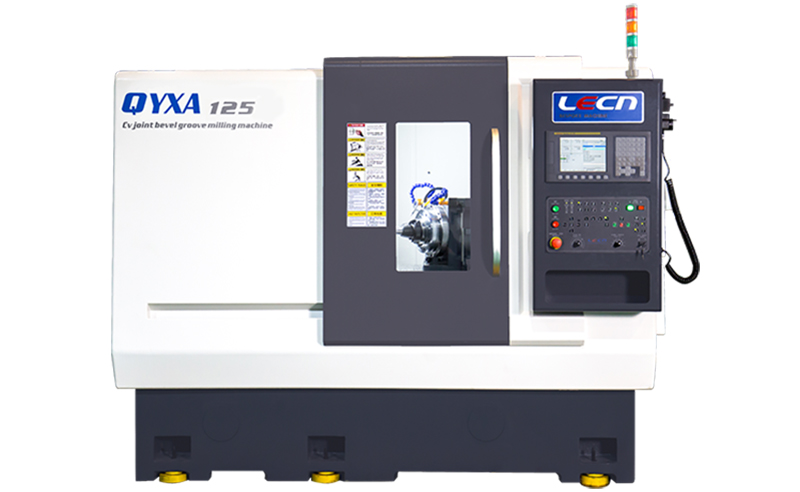
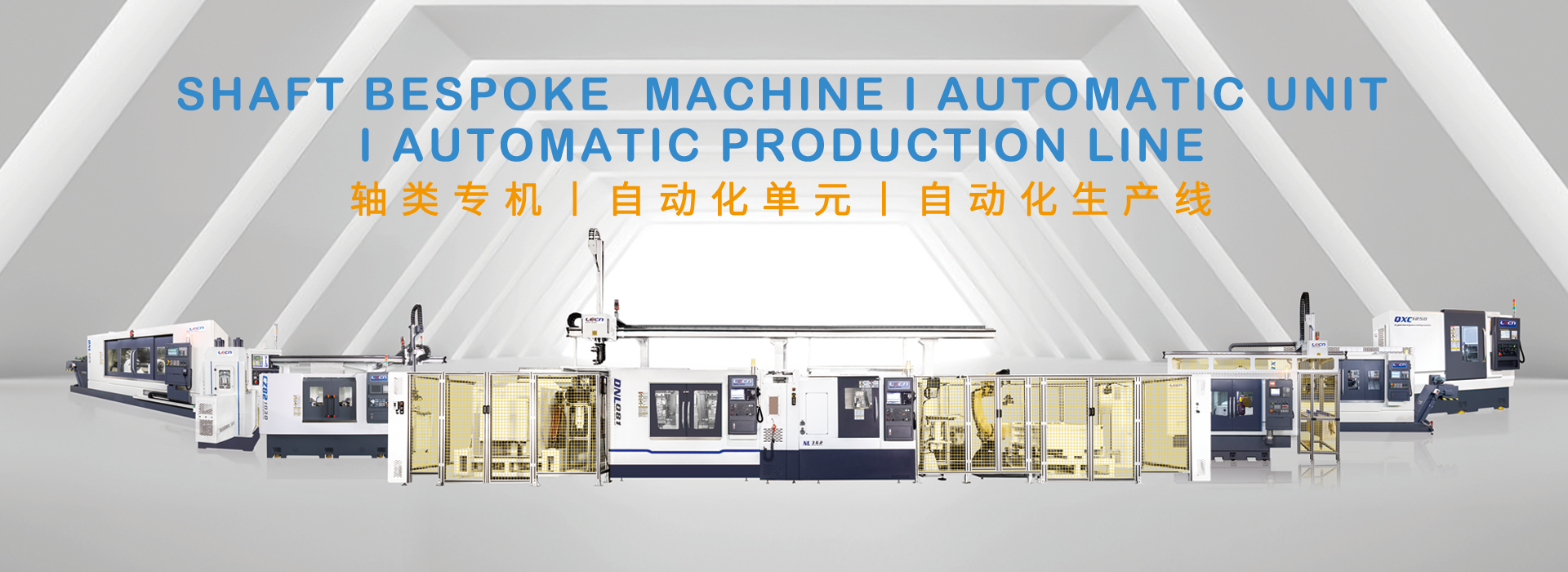
The production process of CV joints involves multiple machining and finishing stages. CV joint machines usually operate as part of an integrated production line, where each machine focuses on a specific process.
The workflow generally includes turning, grooving, milling, grinding, heat treatment preparation, assembly, and final testing. All these processes are synchronized through CNC control systems to ensure consistent accuracy and high productivity.
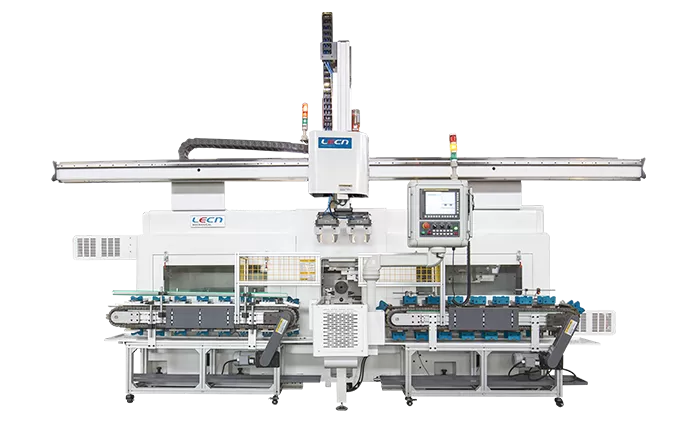
Modern CV joint machines often feature automated loading and unloading systems, real-time monitoring, and closed-loop control, which significantly improve production stability.
CV joint machines perform several key functions throughout the manufacturing process.
They are used for rough and finish turning of CV joint components, precision milling of ball tracks and grooves, high-accuracy grinding of raceways and spherical surfaces, preparation for heat treatment, automatic assembly of balls and cages, and final performance testing.
Each function plays a critical role in ensuring that the final CV joint meets strict quality standards required by automotive OEMs.
One of the biggest advantages of CV joint machines is their ability to achieve ultra-high precision. These machines are designed to maintain micron-level accuracy, which is essential for reducing vibration, noise, and premature wear.
Another major benefit is production efficiency. CV joint machines are optimized for continuous operation, making them ideal for large-scale manufacturing environments.
They also provide highly consistent product quality. Automated control systems minimize human error and ensure every CV joint meets the same dimensional and performance criteria.
From a cost perspective, although the initial investment is higher, the long-term production cost per unit is significantly lower due to reduced scrap rates, lower labor requirements, and improved machine utilization.
CV joint machines are widely used in the automotive industry, especially in the manufacturing of passenger vehicles, commercial vehicles, and electric vehicles.
In passenger cars, CV joints are essential for front-wheel drive and all-wheel drive systems. Commercial vehicles require heavy-duty CV joints capable of handling high torque and long operating hours.
Electric vehicles demand even higher precision because of instant torque delivery and stricter NVH (noise, vibration, harshness) requirements.
CV joint machines are also used in off-road vehicles, construction equipment, agricultural machinery, and other applications that require reliable power transmission under variable angles.
Compared with general CNC lathes and milling machines, CV joint machines are purpose-built for a single product type. This specialization allows them to deliver higher speed, better consistency, and superior accuracy.
General CNC machines are more flexible and suitable for small batches or custom parts, while CV joint machines are optimized for mass production and standardized components.
For manufacturers focused on large-scale automotive production, CV joint machines offer a much higher return on investment.
When selecting a CV joint machine, production capacity is one of the most important factors. The machine must match the required daily or monthly output.
The level of automation also plays a crucial role. Fully automatic systems reduce labor costs and improve process stability.
Control systems such as Fanuc, Siemens, Mitsubishi, or Syntec are commonly used and should be chosen based on operator familiarity and technical support availability.
Accuracy and repeatability are essential, especially for high-end automotive applications. Machines with advanced feedback systems and high-precision spindles are preferred.
After-sales service and spare parts supply are equally important, as downtime in CV joint production can lead to significant losses.
As smart manufacturing and Industry 4.0 continue to evolve, CV joint machines are becoming more intelligent and connected.
Many modern systems now include IoT-based monitoring, allowing manufacturers to track machine performance in real time.
Predictive maintenance powered by AI helps prevent unexpected breakdowns and extends equipment lifespan.
Digital twin technology is also being introduced, enabling virtual simulation of production lines before actual implementation.
In the future, fully unmanned CV joint production lines will become more common, especially in high-volume automotive factories.
A CV Joint Machine is a core piece of equipment in modern drivetrain manufacturing. By providing high precision, stable quality, and efficient mass production, it plays a vital role in ensuring the reliability and performance of vehicles.
For automotive manufacturers and component suppliers, investing in specialized CV joint machines is not just about improving productivity, but also about meeting strict quality standards and staying competitive in an increasingly demanding global market.

Previous: None
Next: None