Apr. 24, 2026
Cylindrical grinding machines are a cornerstone of precision machining, widely used to achieve high dimensional accuracy and superior surface finishes on cylindrical components. These machines are designed to grind the external or internal surfaces of rotating workpieces, making them indispensable in industries where tight tolerances and consistent quality are critical.
This guide explores how cylindrical grinding machines are applied across different industries, along with their key advantages and evolving role in modern manufacturing.
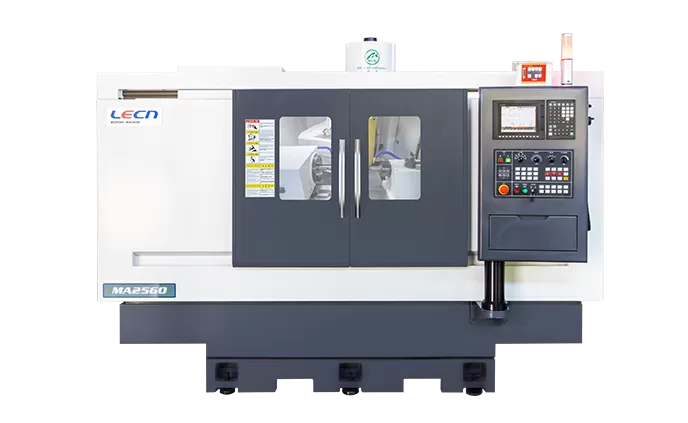
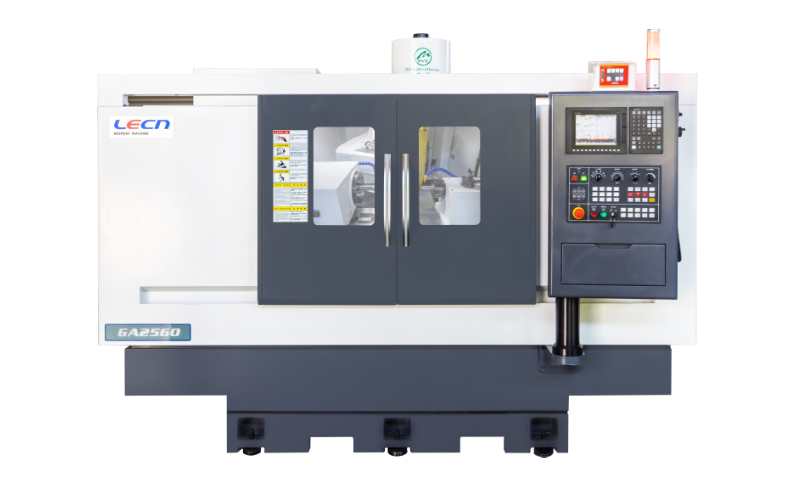
A cylindrical grinding machine is a type of grinding equipment used to shape the outside or inside diameter of a workpiece. The process involves rotating the workpiece while a grinding wheel removes material to achieve the desired size, geometry, and finish.
Main types include:
External cylindrical grinding machines (OD grinding)
Internal cylindrical grinding machines (ID grinding)
Universal cylindrical grinders
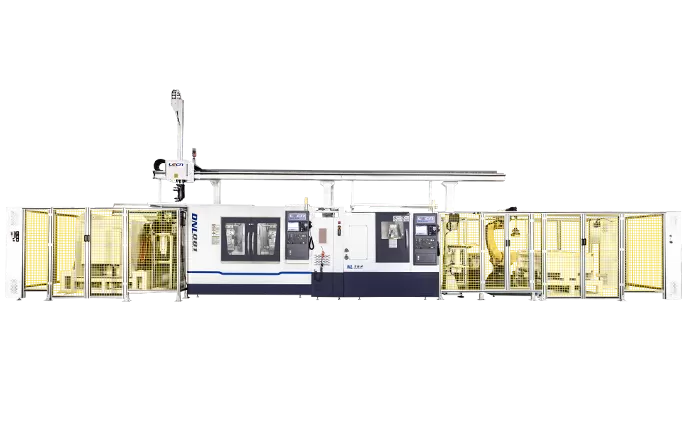
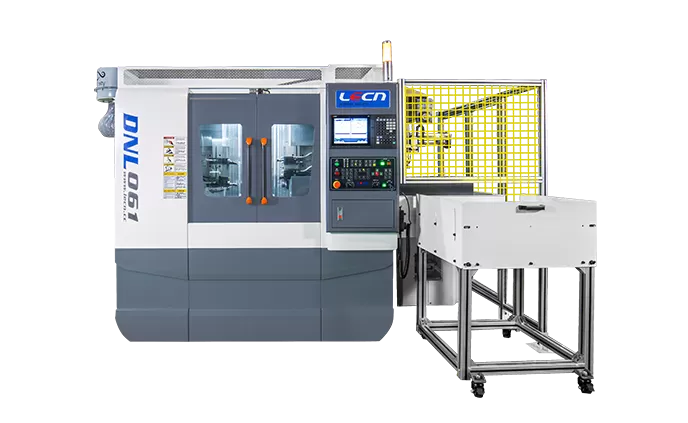
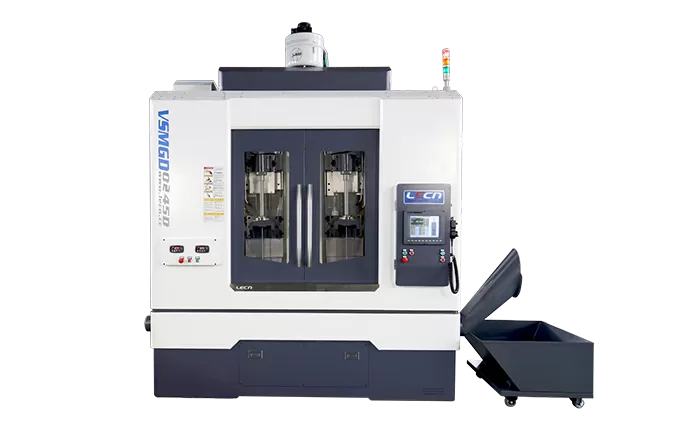
CNC cylindrical grinding machines
These machines are capable of producing extremely precise components with tolerances often within microns.
High precision and repeatability
Excellent surface finish (Ra values in the micron range)
Ability to machine hardened materials
Tight geometric tolerances (roundness, concentricity)
Flexibility for small batch and mass production
Compatibility with CNC automation
1. Automotive Industry
The automotive sector relies heavily on cylindrical grinding for high-performance and safety-critical components.
Typical applications:
Crankshafts and camshafts
Transmission shafts and gears
Fuel injection components
Steering system parts
Industry benefits:
Improved engine efficiency and durability
Consistent performance across large production volumes
Enhanced wear resistance of critical parts
2. Aerospace Industry
Aerospace components demand extreme precision, lightweight design, and high reliability.
Common applications:
Turbine shafts and rotors
Landing gear components
Engine parts made from superalloys
Hydraulic system components
Why it matters:
Cylindrical grinding ensures tight tolerances and smooth finishes, which are essential for reducing friction, improving fatigue life, and maintaining safety standards.
3. Bearing Manufacturing
Bearings require ultra-precise dimensions and surface quality to function efficiently.
Applications include:
Inner and outer bearing rings
Rollers and races
Precision shafts
Key advantages:
High roundness accuracy
Reduced vibration and noise
Extended bearing lifespan
4. Tool and Die Industry
Cylindrical grinding is widely used in the production and maintenance of tools and dies.
Typical uses:
Punches and dies
Tool holders
Precision gauges
Cutting tools
Benefits:
Maintains sharpness and accuracy
Enables reconditioning and reuse of tooling
Supports high-precision mold production
5. Medical Equipment Industry
The medical field requires extremely high precision and flawless surface finishes.
Applications:
Surgical instruments
Orthopedic implants
Dental tools
Medical device components
Why it’s critical:
Ensures patient safety and product reliability
Supports minimally invasive surgical tools
Meets strict regulatory standards
6. Energy and Power Generation
Cylindrical grinding machines play a key role in manufacturing components for power plants and energy systems.
Applications include:
Turbine shafts
Generator rotors
Valve components
Pump shafts
Value delivered:
High durability under extreme conditions
Smooth operation and reduced energy loss
Improved component lifespan
7. Heavy Machinery and Industrial Equipment
Large-scale industrial equipment depends on precision-ground components for reliability and efficiency.
Common applications:
Hydraulic rods and cylinders
Industrial rollers
Gear shafts
Construction equipment parts
Why it matters:
Accurate grinding ensures proper fit, reduces wear, and enhances the overall performance of heavy machinery.
8. Electronics and Precision Engineering
Miniaturization and precision are critical in electronics manufacturing.
Applications:
Micro shafts and pins
Connector components
Precision spindles
Semiconductor equipment parts
Benefits:
Achieves ultra-fine tolerances
Supports high-speed, high-precision devices
Enables consistent mass production
Selecting the appropriate machine depends on several factors:
Workpiece size and geometry
Required tolerance and surface finish
Material type (hardened steel, ceramics, alloys)
Production volume
Need for automation or CNC control
CNC cylindrical grinding machines are increasingly preferred for their precision, repeatability, and ability to integrate with smart manufacturing systems.
The cylindrical grinding industry continues to evolve with advancements in technology:
Integration of AI and IoT for predictive maintenance
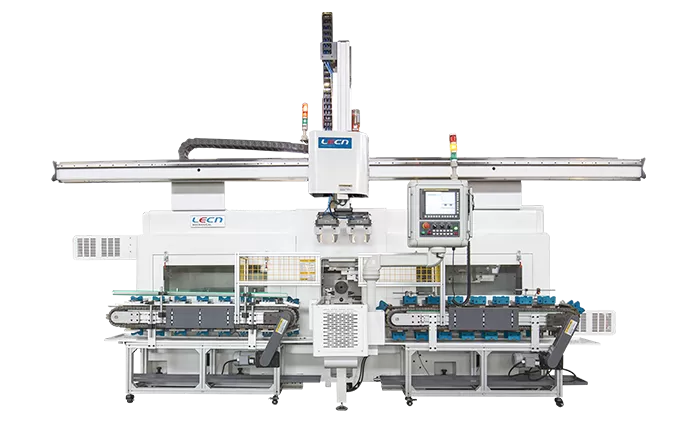
Automation and robotic loading systems
Advanced grinding wheel materials (CBN, diamond)
Real-time monitoring and adaptive control
Energy-efficient and environmentally friendly systems
These innovations are helping manufacturers achieve higher productivity, lower costs, and better quality outcomes.
Cylindrical grinding machines are essential for producing high-precision cylindrical components across a wide range of industries. From automotive and aerospace to medical and energy sectors, their ability to deliver exceptional accuracy and surface quality makes them a vital part of modern manufacturing.
Companies aiming to enhance product quality, improve efficiency, and stay competitive should consider investing in advanced cylindrical grinding solutions tailored to their specific application needs.

Previous: None
Next: None