May. 28, 2026
Efficient factory layout planning is essential for maximizing productivity, reducing operational costs, and improving workflow efficiency in modern manufacturing environments. When installing cylindrical grinding machines, proper space optimization becomes especially important because grinding operations require precision, safety, material handling efficiency, and stable machine performance.
Whether in automotive manufacturing, aerospace machining, tool production, or precision engineering workshops, the placement and layout of cylindrical grinding machines directly affect production efficiency, operator safety, maintenance accessibility, and future scalability.
This article explores how factories can optimize cylindrical grinding machine layouts to improve workflow, utilize floor space effectively, and support high-precision grinding operations.
A cylindrical grinding machine is a precision machining tool used to grind the external or internal surfaces of cylindrical workpieces.
These machines are widely used for machining:
Shafts
Rollers
Bearings
Spindles
Automotive components
Aerospace parts
Hydraulic cylinders
Precision metal parts
Cylindrical grinding ensures:
High dimensional accuracy
Smooth surface finish
Tight tolerances
Excellent roundness
Because these machines often operate in high-precision production environments, layout planning is critical.
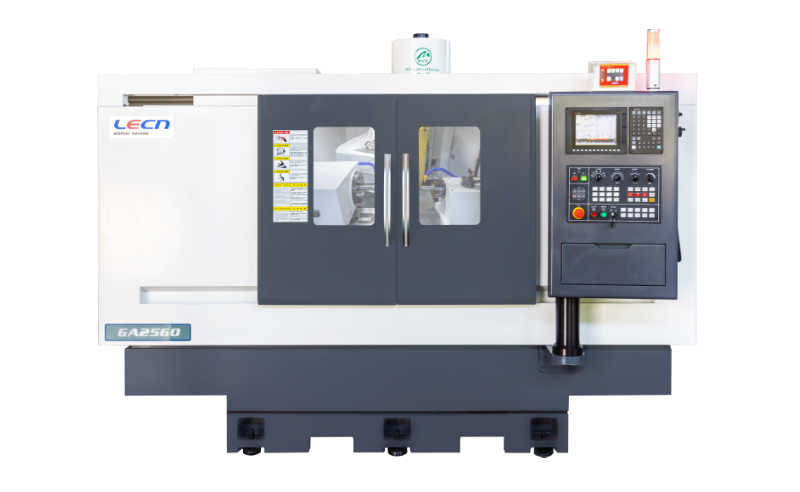
A poorly planned grinding workshop can lead to:
Material handling delays
Production bottlenecks
Safety hazards
Poor machine accessibility
Excessive downtime
Increased labor costs
An optimized layout improves:
Production flow
Space utilization
Operator efficiency
Maintenance access
Workplace safety
Future expansion flexibility
1. Production Workflow Optimization
The grinding machine layout should support smooth production flow from raw material input to finished product output.
Ideal Workflow Sequence
Raw material storage
Pre-machining area
Cylindrical grinding section
Inspection and quality control
Finished product storage
Minimizing unnecessary movement reduces production time and labor costs.
2. Machine Spacing Requirements
Adequate spacing between cylindrical grinding machines is essential for:
Safe operation
Operator movement
Maintenance access
Coolant management
Workpiece loading and unloading
Recommended Clearance Areas
Factories should allow sufficient space for:
Machine doors and covers
Hydraulic system access
Electrical cabinets
Wheel replacement operations
Material transport equipment
Overcrowded machine placement may reduce operational efficiency and increase accident risks.
3. Material Handling Efficiency
Grinding operations often involve heavy cylindrical components.
Efficient material handling systems help reduce:
Manual labor
Workpiece damage
Production delays
Common Material Handling Solutions
Overhead cranes
Roller conveyors
Forklifts
AGV systems
Pallet transfer systems
Positioning cylindrical grinding machines near machining centers can streamline production.
4. Foundation and Vibration Control
Cylindrical grinding machines require stable foundations to maintain precision.
Why Vibration Control Matters
Excessive vibration can cause:
Poor surface finish
Reduced dimensional accuracy
Grinding wheel instability
Premature machine wear
Layout Recommendations
Install machines on reinforced foundations
Separate grinding areas from heavy stamping or forging equipment
Use vibration-damping pads if necessary
Precision grinding areas should remain isolated from high-impact machinery.
5. Coolant and Filtration System Layout
Grinding generates heat and fine metal particles, making coolant systems essential.
Centralized Coolant Systems
Large factories often use centralized coolant filtration systems to:
Save floor space
Improve coolant management
Reduce maintenance costs
Improve environmental cleanliness
Proper piping and drainage layout helps maintain efficient coolant circulation.
6. Power Supply and Utility Planning
Cylindrical grinding machines require stable utility connections.
Important Utility Requirements
Electrical power supply
Compressed air
Coolant piping
Dust extraction systems
Industrial lighting
Utility lines should be planned carefully to avoid obstructing operator movement.
7. Operator Safety and Ergonomics
Safety should always be a priority in grinding machine layout design.
Important Safety Considerations
Emergency exit access
Safe walking paths
Fire prevention systems
Wheel guard clearance
Non-slip flooring
Noise control measures
Proper ergonomic design also reduces operator fatigue and improves productivity.
8. Lighting and Visibility
Precision grinding requires excellent visibility.
Recommended Lighting Solutions
LED industrial lighting
Task lighting near control panels
Shadow-free illumination
Poor lighting may increase setup errors and quality defects.
9. Dust and Air Quality Management
Grinding operations produce airborne particles and coolant mist.
Effective Air Quality Solutions
Mist collectors
Dust extraction systems
Ventilation systems
Air filtration equipment
Proper air management improves workplace safety and machine cleanliness.
10. Quality Inspection Area Placement
Inspection stations should be located close to grinding operations.
Advantages
Faster quality feedback
Reduced defective production
Improved process control
Inspection equipment may include:
Roundness testers
Surface roughness testers
Micrometers
Coordinate measuring machines (CMM)
1. Linear Layout
Machines are arranged in a straight production line.
Advantages
Smooth workflow
Easy material transfer
Suitable for mass production
Best For
Automotive factories
High-volume production plants
2. Cell Manufacturing Layout
Machines are grouped into production cells.
Advantages
Flexible production
Reduced transportation distance
Better operator collaboration
Best For
Custom machining workshops
Small-batch manufacturing
3. U-Shaped Layout
Machines form a U-shaped production flow.
Advantages
Efficient supervision
Compact space utilization
Improved communication
Best For
Medium-sized factories
Space Optimization Strategies for Grinding Workshops
Use Compact Machine Designs
Modern CNC cylindrical grinding machines are becoming more compact while maintaining high performance.
Implement Vertical Storage Systems
Vertical racks save floor space for:
Grinding wheels
Tooling
Spare parts
Fixtures
Use Multi-Function Machines
Advanced grinding systems can perform:
Internal grinding
External grinding
Face grinding
This reduces the number of separate machines required.
Integrate Automation
Robotic loading systems reduce manual handling space requirements.
Factories with optimized layouts can achieve:
Higher productivity
Reduced material handling time
Better machine utilization
Improved operator safety
Lower maintenance costs
Better production scalability
Efficient layouts also support lean manufacturing goals.
Automation and Smart Factory Integration
Modern factories increasingly integrate cylindrical grinding machines into smart manufacturing systems.
Industry 4.0 Features
Real-time production monitoring
Predictive maintenance
Automated material handling
Centralized process control
Machine connectivity
These technologies further improve space efficiency and operational control.
Automotive Industry
High-volume shaft and engine component grinding.
Aerospace Industry
Precision grinding for turbine and aircraft components.
Bearing Manufacturing
Continuous production with strict tolerance requirements.
Tool and Die Industry
Compact and flexible grinding layouts for precision tooling.
Insufficient Maintenance Access
Machines placed too closely may increase repair difficulty.
Poor Material Flow
Unorganized workpiece movement causes production delays.
Inadequate Ventilation
Poor airflow may reduce operator comfort and machine lifespan.
Ignoring Future Expansion
Factories should reserve space for additional equipment upgrades.
Smart Space Planning Software
Factories increasingly use digital simulation tools to optimize layouts before installation.
Flexible Manufacturing Systems
Modular machine arrangements allow faster production adjustments.
Green Manufacturing Design
Energy-efficient layouts reduce environmental impact and operational costs.
Proper cylindrical grinding machine layout and space optimization are critical for improving productivity, maintaining machining precision, and ensuring safe factory operations.
Key considerations include:
Efficient production flow
Adequate machine spacing
Stable foundations
Effective material handling
Coolant and utility planning
Safety and ergonomics
Dust and ventilation control
Future scalability
Modern factories that invest in optimized grinding workshop layouts can improve operational efficiency, reduce downtime, and strengthen long-term manufacturing competitiveness.
As precision manufacturing continues to evolve, intelligent grinding machine layout planning will remain an essential factor in achieving efficient and sustainable industrial production.

Previous: None
Next: None