Apr. 24, 2026
Deep hole drilling machines are essential in modern manufacturing where precision, depth-to-diameter ratio, and surface finish are critical. Unlike conventional drilling, deep hole drilling typically refers to holes with a depth greater than 10 times their diameter. Technologies such as gun drilling, BTA (Boring and Trepanning Association), and ejector drilling have made it possible to achieve exceptional accuracy, straightness, and efficiency across a wide range of industries.
This guide explores how deep hole drilling machines are applied in different sectors, what benefits they deliver, and why they are indispensable in high-precision engineering.
Deep hole drilling is a specialized machining process designed to produce long, straight holes with tight tolerances and excellent surface finishes. It typically involves:
High-pressure coolant systems for chip removal
Specialized cutting tools (gun drills, BTA drills, ejector drills)
Advanced machine stability and alignment
Precision control systems (CNC deep hole drilling machines)
These capabilities allow manufacturers to produce holes with high aspect ratios while maintaining minimal deviation and consistent quality.
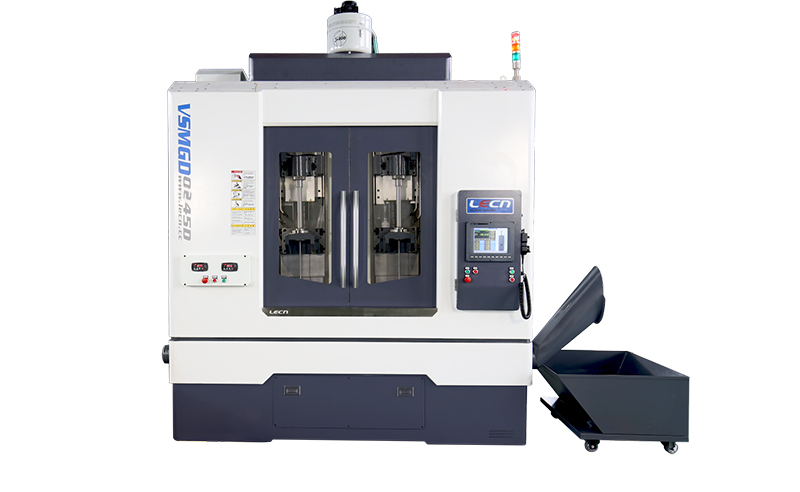
Before diving into industry applications, it’s important to understand why these machines are widely adopted:
High precision and straightness
Superior surface finish (reducing secondary operations)
Efficient chip evacuation
Capability for extremely deep holes
Reduced tool wear with optimized coolant flow
Compatibility with a wide range of materials (steel, titanium, alloys)
1. Oil and Gas Industry
Deep hole drilling machines play a critical role in manufacturing components used in exploration and extraction equipment.
Typical applications include:
Drill collars and drill pipes
Downhole tools and components
Valve bodies and pump housings
Hydraulic cylinders
Why it matters:
These components require deep, straight internal bores to ensure structural integrity and fluid flow efficiency under extreme pressure and temperature conditions.
2. Aerospace Industry
The aerospace sector demands extremely tight tolerances and high-performance materials, making deep hole drilling essential.
Common applications:
Aircraft landing gear components
Turbine shafts and engine components
Hydraulic manifolds
Fuel system parts
Key benefits:
Precision drilling in titanium and superalloys
Improved weight-to-strength ratio through optimized internal structures
Enhanced safety and reliability
3. Automotive Industry
In automotive manufacturing, deep hole drilling machines support both performance and mass production requirements.
Applications include:
Crankshafts and camshafts
Fuel injection systems
Transmission components
Engine blocks
Industry impact:
Deep hole drilling ensures smooth internal passages, improving lubrication efficiency and overall engine performance.
4. Medical Equipment Industry
Medical devices require ultra-precision and high-quality surface finishes, making deep hole drilling a critical process.
Typical uses:
Surgical instruments
Orthopedic implants
Cannulated screws and needles
Medical tubing components
Why it’s important:
Ensures biocompatibility and precision
Supports minimally invasive surgical tools
Maintains strict compliance with medical standards
5. Mold and Die Industry
Deep hole drilling is widely used in mold manufacturing, especially for cooling channel creation.
Applications:
Injection molds
Die-casting molds
Cooling channels in tooling
Benefits:
Improved heat dissipation
Reduced cycle times in molding processes
Enhanced product quality
6. Defense and Firearms Industry
This is one of the earliest adopters of deep hole drilling technology.
Key applications:
Gun barrels and artillery tubes
Missile components
Defense-grade mechanical parts
Advantages:
Exceptional bore straightness
High surface finish for accuracy
Consistent performance under extreme conditions
7. Energy and Power Generation
Deep hole drilling machines are essential in manufacturing components used in power plants and renewable energy systems.
Applications include:
Turbine rotors and shafts
Generator components
Heat exchanger tubes
Nuclear reactor parts
Value delivered:
Reliable internal channels for cooling and fluid transfer
Enhanced durability in high-temperature environments
8. Heavy Machinery and Hydraulics
Hydraulic systems rely heavily on deep hole drilling for precision cylinders and fluid channels.
Common applications:
Hydraulic cylinders
Pistons and rods
Construction equipment components
Industrial machinery parts
Why it matters:
Accurate internal bores ensure smooth operation, reduced leakage, and long service life.
Choosing the Right Deep Hole Drilling Machine
Selecting the appropriate machine depends on several factors:
Hole diameter and depth requirements
Workpiece material
Production volume (custom vs mass production)
Required tolerance and surface finish
Modern CNC deep hole drilling machines offer automation, repeatability, and integration with smart manufacturing systems, making them ideal for Industry 4.0 environments.
Future Trends in Deep Hole Drilling Technology
As manufacturing evolves, deep hole drilling continues to advance:
Integration with AI and smart monitoring systems
Enhanced tool materials for longer lifespan
Automation and robotics for higher productivity
Improved coolant systems for sustainability
Hybrid machining processes combining drilling and finishing
These innovations are helping manufacturers reduce costs, increase efficiency, and meet stricter quality requirements.
Deep hole drilling machines are a cornerstone of precision manufacturing across multiple industries. From aerospace and automotive to medical and energy sectors, their ability to produce deep, accurate, and high-quality holes makes them indispensable.
Businesses looking to improve machining efficiency, reduce defects, and meet demanding specifications should consider investing in advanced deep hole drilling solutions tailored to their industry needs.

Previous: None
Next: None