Feb. 09, 2026
In modern manufacturing, productivity and precision are two of the most critical factors for staying competitive. As industries move toward automation and high-volume production, traditional single-spindle machines often struggle to meet increasing demands. This is where the Double Head CNC Lathe stands out as a powerful solution, offering higher output, improved accuracy, and better cost efficiency for a wide range of applications.
This guide provides a comprehensive overview of double head CNC lathes, including their working principles, advantages, applications, and how to choose the right model for your business.
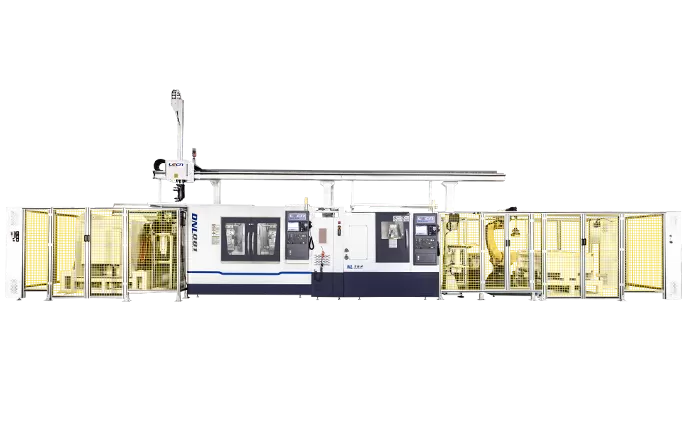
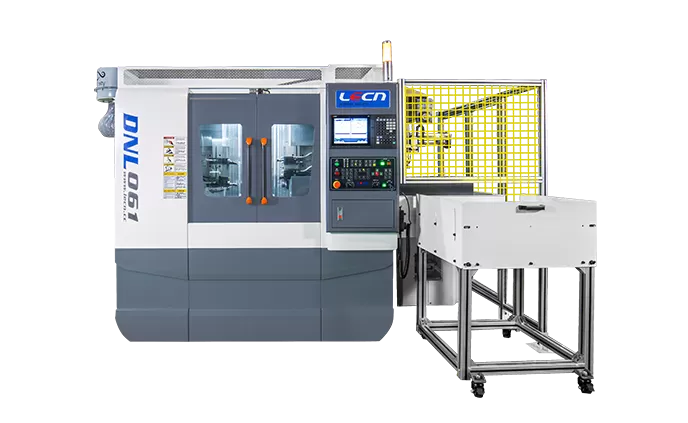
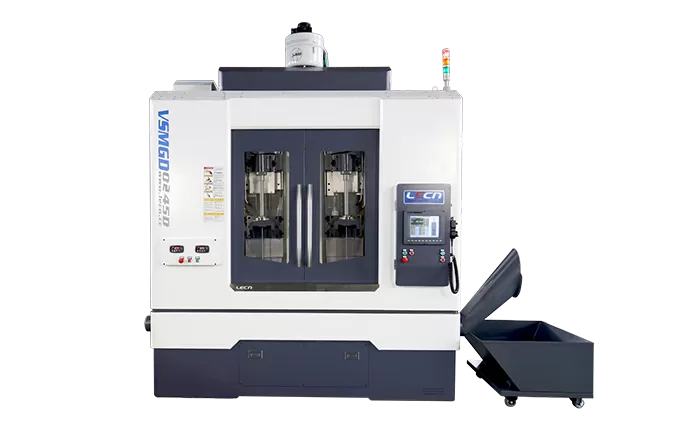
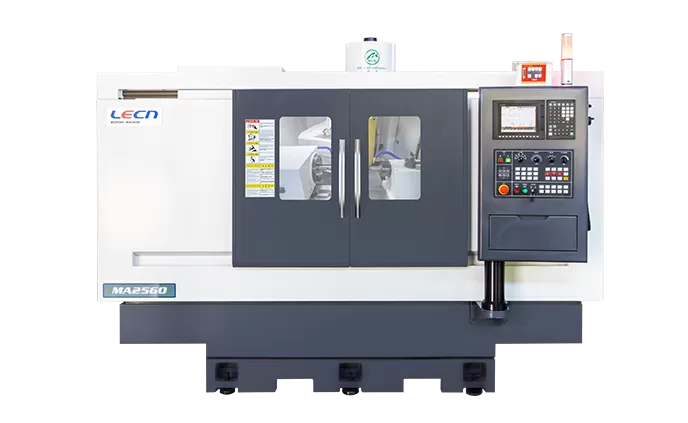
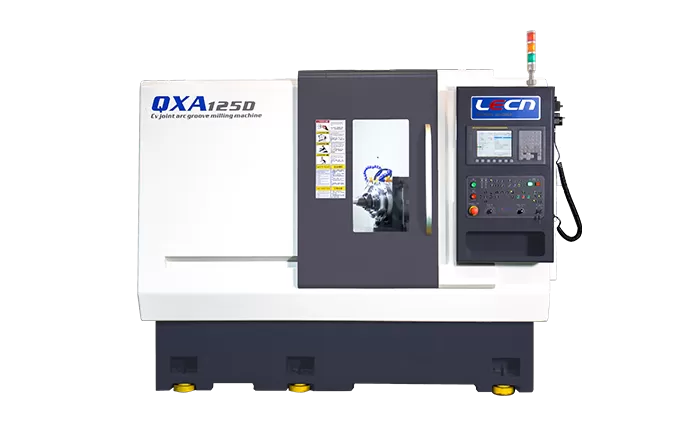
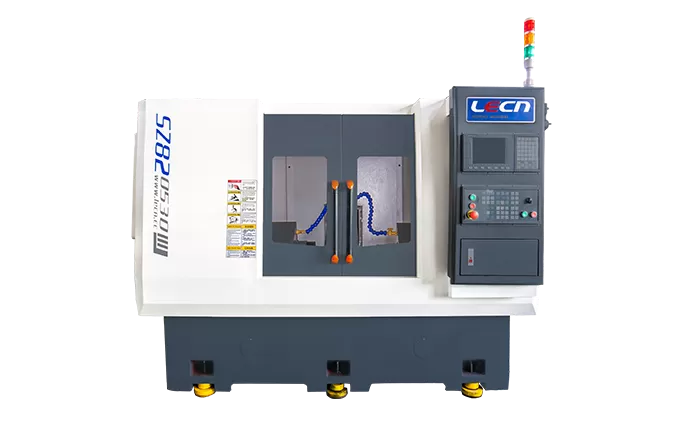
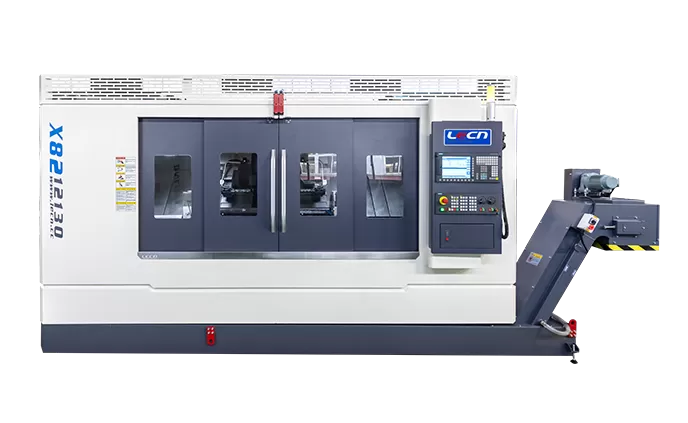
A Double Head CNC Lathe (also known as a dual-spindle CNC lathe) is a computer numerical control machine equipped with two independent or synchronized spindles. Unlike traditional single-spindle lathes, this machine can process two sides of a workpiece simultaneously or handle two parts at the same time.
This design significantly reduces cycle time and eliminates the need for secondary operations, making it ideal for mass production and high-precision manufacturing.
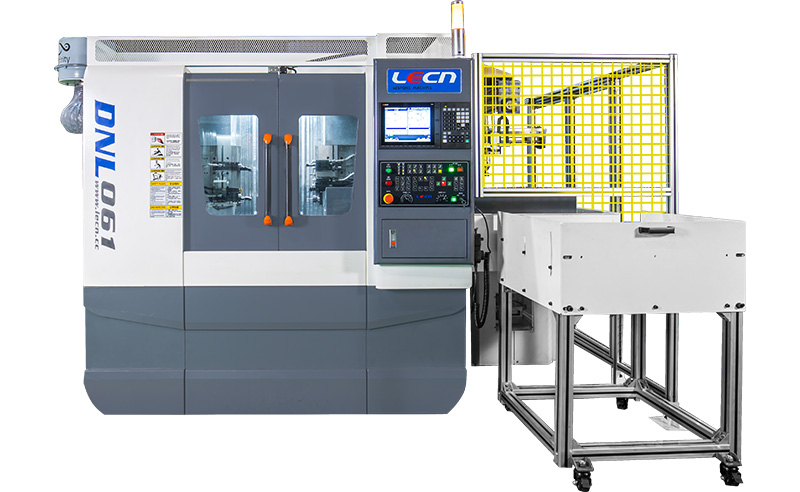
A double head CNC lathe typically consists of:
Two spindles (left and right headstocks)
One or two tool turrets
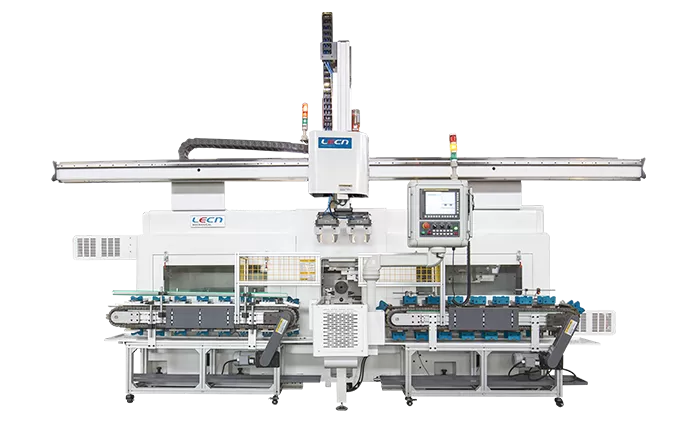
Automatic loading and unloading system
CNC control system (such as Fanuc, Siemens, or Mitsubishi)
The machine can operate in several modes:
Simultaneous Machining Mode – Both spindles machine two identical parts at the same time.
Front and Back Machining Mode – One spindle holds the part while the other finishes the opposite side.
Transfer Mode – The workpiece is transferred from the first spindle to the second for complete machining in one setup.
This flexibility allows manufacturers to complete complex parts in a single workflow.
1. Higher Production Efficiency
With two spindles working simultaneously, production output can nearly double compared to standard CNC lathes.
2. Reduced Cycle Time
Parts no longer need to be re-clamped for secondary operations, which shortens overall machining time.
3. Improved Accuracy and Consistency
One-time clamping minimizes positioning errors and ensures better dimensional stability.
4. Lower Labor Cost
Automation reduces manual intervention, allowing one operator to manage multiple machines.
5. Space Saving
Instead of two separate machines, one double head CNC lathe can achieve similar productivity in a smaller footprint.
Double head CNC lathes are widely used across various industries, especially where large quantities and tight tolerances are required.
Automotive Industry
Drive shafts
Brake components
Engine parts
Gear shafts
Aerospace Industry
Hydraulic fittings
Precision bushings
Structural connectors
Electronics and Electrical
Connector pins
Aluminum housings
Sensor components
Medical Devices
Surgical instrument parts
Implant components
Precision tubing
Hardware and General Manufacturing
Valves and fittings
Threaded rods
Bearing components
Compared to traditional CNC lathes, double head models offer several strategic advantages:
Faster throughput for mass production
Lower cost per unit
Better suitability for complex parts
Higher return on investment for long-term operations
Single head CNC lathes, however, are still preferred for small batches, prototypes, and highly customized jobs where flexibility is more important than speed.
Choosing the right machine requires careful evaluation of technical and business requirements.
Spindle Power and Speed
Higher spindle power supports heavy cutting, while higher RPM is better for precision and small-diameter parts.
Control System
Popular systems include Fanuc, Siemens, and Syntec. A user-friendly interface improves productivity and reduces training time.
Automation Options
Look for bar feeders, robotic arms, or gantry loaders if you plan for unmanned or lights-out production.
Tool Turret Configuration
Some machines feature dual turrets for simultaneous cutting, further boosting efficiency.
Material Compatibility
Ensure the machine can handle your target materials such as steel, aluminum, brass, titanium, or plastics.
For manufacturers focused on scalability, double head CNC lathes provide a perfect balance between automation and precision. They are especially valuable in:
Contract manufacturing
OEM production lines
Export-oriented factories
High-volume custom machining services
With rising labor costs and increasing quality standards, investing in dual-spindle CNC technology is becoming a strategic decision rather than an optional upgrade.
Is a double head CNC lathe suitable for small workshops?
Yes, but mainly if the workshop handles repetitive production. For low-volume jobs, a single head CNC lathe may be more economical.
What materials can be machined?
Most models support carbon steel, stainless steel, aluminum alloys, copper, brass, and engineering plastics.
Is maintenance complicated?
Maintenance is similar to standard CNC lathes, but with more components. Regular lubrication, spindle inspection, and software updates are essential.
As smart manufacturing evolves, double head CNC lathes are integrating more advanced features:
IoT connectivity for real-time monitoring
AI-based predictive maintenance
Digital twin simulation
Fully automated production cells
These technologies further enhance productivity, reduce downtime, and align with Industry 4.0 standards.
A Double Head CNC Lathe is one of the most efficient and reliable solutions for high-volume precision machining. By enabling simultaneous processing, reducing cycle time, and improving accuracy, it offers a strong competitive advantage for manufacturers in automotive, aerospace, electronics, and many other industries.
For businesses aiming to scale production while maintaining strict quality standards, investing in a double head CNC lathe is not just a technological upgrade—it is a strategic move toward long-term growth and operational excellence.

Previous: None
Next: None