
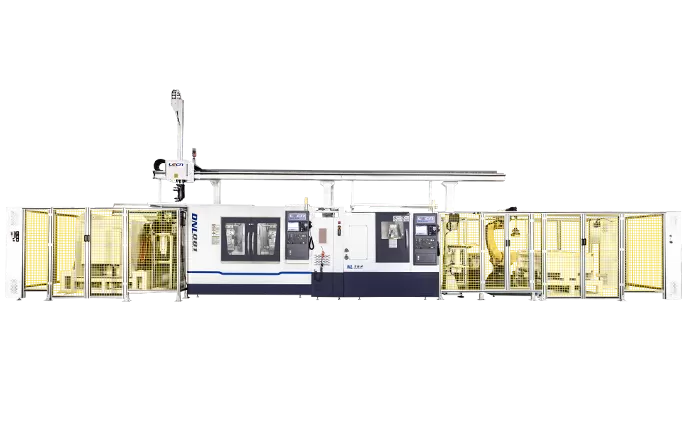
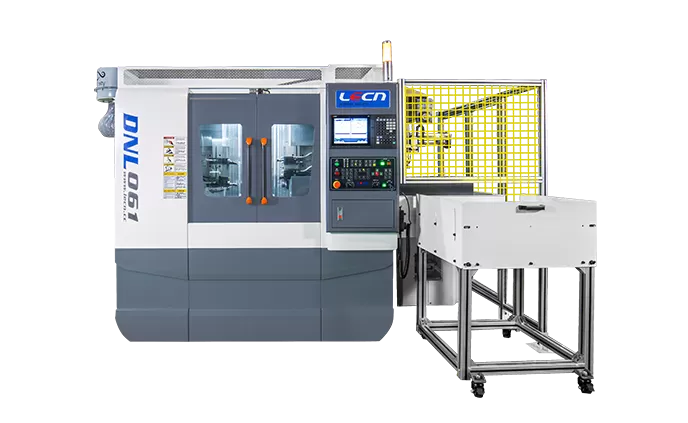
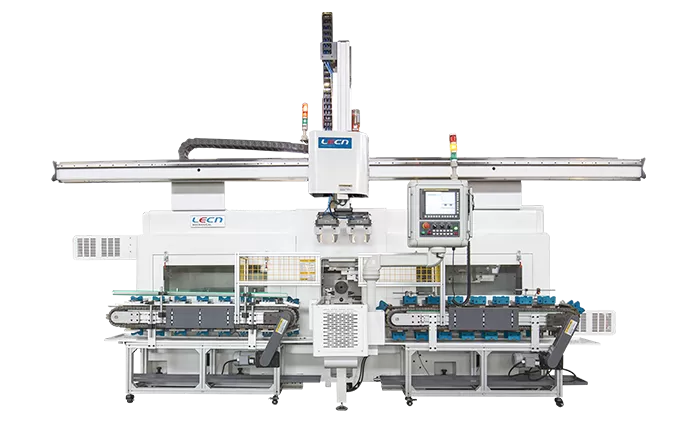
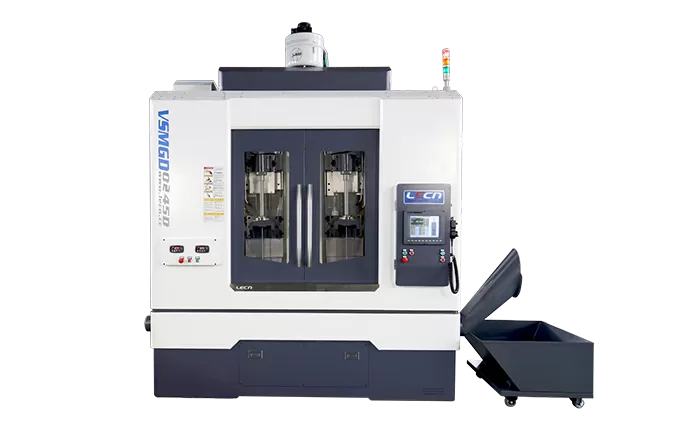
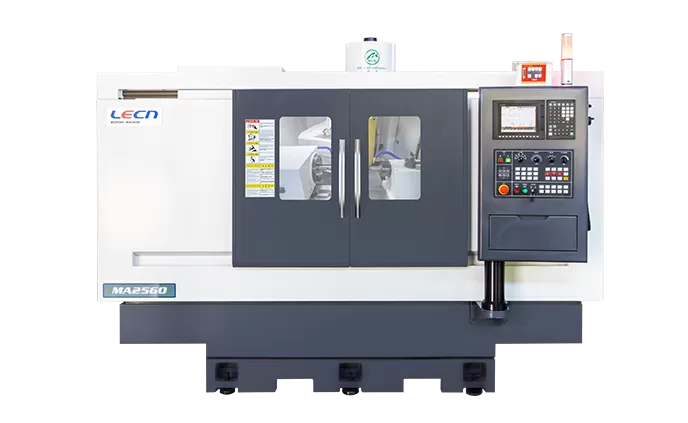
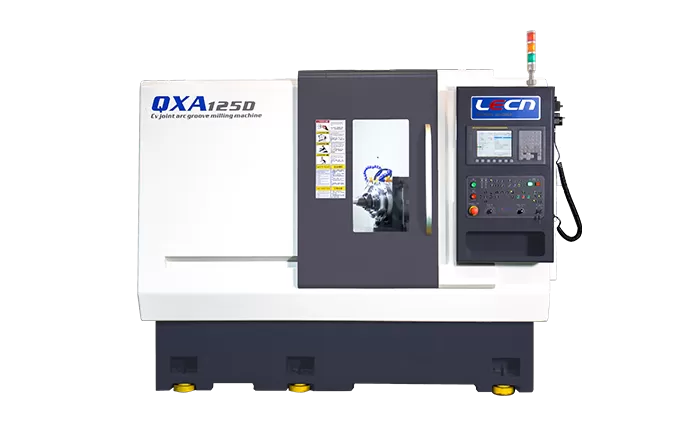
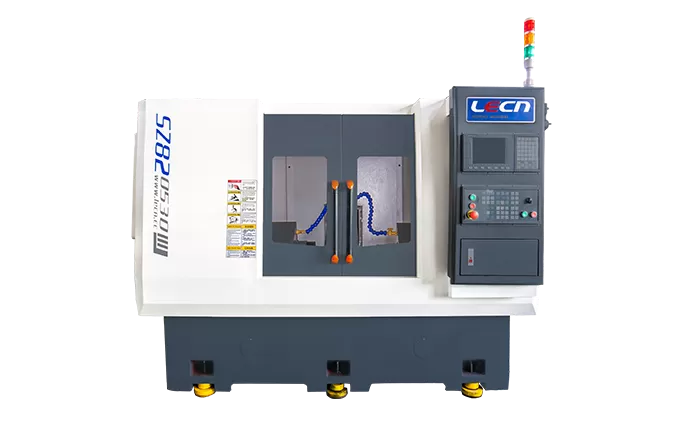
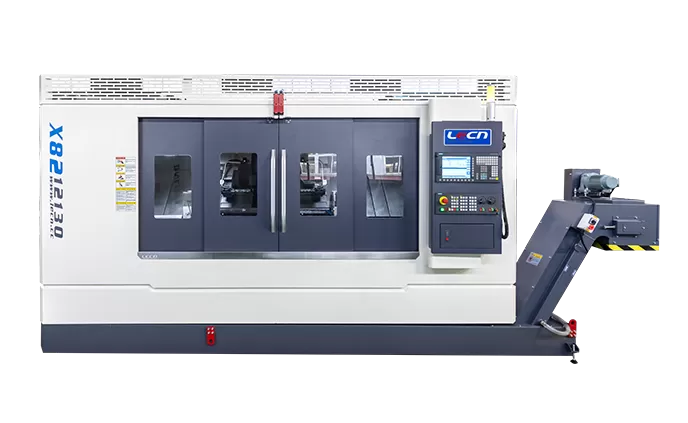
In today’s competitive automotive sector, achieving the perfect balance of precision, speed, and efficiency is no longer optional — it’s essential. CNC machining has emerged as a game-changing technology, revolutionizing how automotive components are designed and manufactured. This article explores five key ways CNC machining, powered by LECN advanced systems, is transforming the auto component manufacturing landscape.
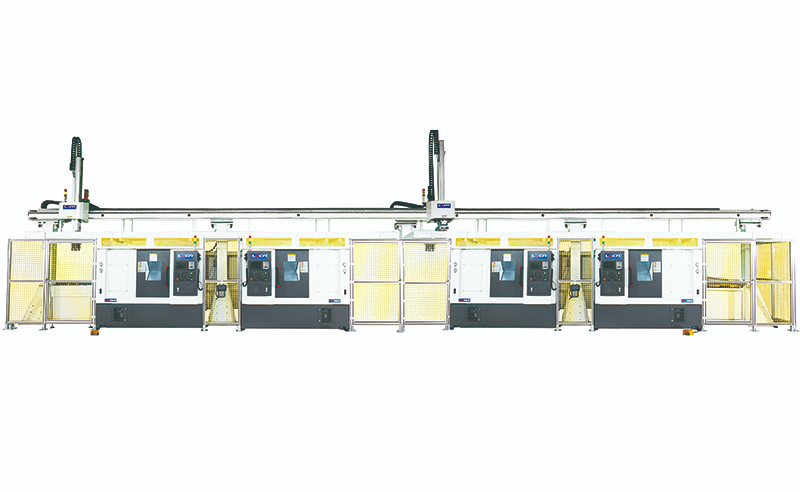
1. Continuous Production and Enhanced Productivity
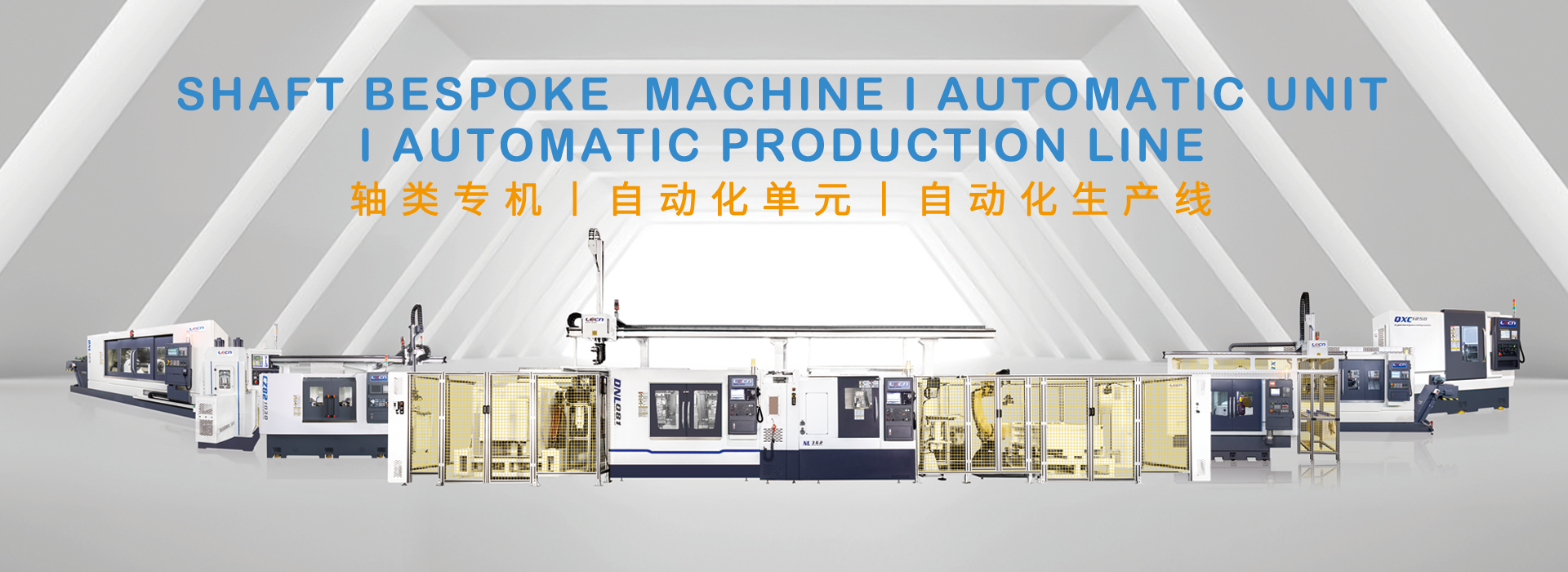
One of the most significant advantages of CNC machining lies in its capacity for continuous, automated operation. LECN CNC turning machines, milling centers, and multi-axis machining systems enable 24/7 production with minimal operator oversight. This capability reduces downtime, accelerates lead times, and allows manufacturers to meet increasing market demands while maintaining operational efficiency.
2. Unmatched Precision and Repeatability
Precision is critical in the automotive industry, where component tolerances can directly affect vehicle performance and safety. LECN CNC systems execute complex machining tasks with micrometer-level accuracy, whether milling, turning, drilling, or threading. This level of precision ensures that every component meets exacting specifications, reducing scrap rates and improving product reliability.
3. Design Flexibility and Versatile Manufacturing
The automotive industry is constantly evolving, with new vehicle models and custom configurations entering the market regularly. CNC machining offers manufacturers the flexibility to quickly adapt to design changes. LECN’s CNC solutions support the production of components with diverse geometries, materials, and functionalities, enabling manufacturers to respond rapidly to innovation and market demands.
4. Consistent Quality and Process Control
Maintaining consistent quality across large production runs is a persistent challenge in auto component manufacturing. CNC machining minimizes the variability associated with manual processes, ensuring uniformity in every part produced. LECN integrates advanced control systems and in-process measurement technologies into its CNC machines, enabling real-time monitoring and adjustment to uphold strict quality standards.
5. Compatibility with Advanced Materials and Tooling
The rise of lightweight and high-performance materials in automotive engineering requires equally advanced machining solutions. LECN CNC equipment is engineered to handle a broad range of materials, from traditional alloys to high-strength composites. Coupled with cutting-edge tooling systems, this capability allows manufacturers to create components that are lighter, stronger, and better suited to modern vehicle performance requirements.
Conclusion: Embracing CNC Machining for Competitive Advantage
CNC machining has fundamentally redefined auto component manufacturing, offering unparalleled benefits in precision, efficiency, and versatility. As automotive designs grow increasingly complex and customer expectations continue to rise, investing in advanced CNC solutions from LECN becomes a strategic move for manufacturers aiming to stay competitive.
By integrating CNC technology into their operations, automotive parts producers can streamline workflows, enhance product quality, and maintain the agility needed to thrive in an innovation-driven industry.