Jan. 14, 2026
Deep hole drilling is a critical machining process for industries that require high-precision holes with extreme depth-to-diameter ratios. Traditional drilling methods often struggle with tool deflection, chip evacuation, and heat buildup, leading to slow production speeds and inconsistent quality.
Modern deep hole drilling machines are specifically engineered to overcome these limitations. By combining specialized tooling, high-pressure coolant systems, and rigid machine structures, they significantly improve production efficiency while maintaining superior accuracy.
Deep hole drilling typically involves holes with a depth at least 10 times the diameter, and in many applications far beyond that. Common challenges include:
Poor chip evacuation causing tool jamming
Excessive heat generation leading to tool wear
Hole deviation and loss of straightness
Frequent tool changes and rework
Conventional CNC drilling machines are not optimized for these conditions, resulting in slower feed rates and higher scrap rates.
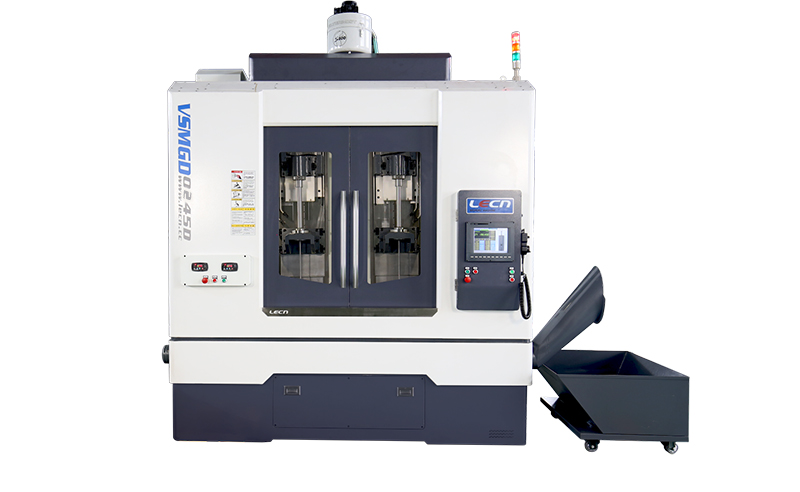
Deep hole drilling machines are built with high-rigidity beds, precision guide systems, and specialized spindle assemblies. This structural stability allows:
Higher feed rates without vibration
Reduced tool deflection over long drilling distances
Stable cutting even in hardened or alloy materials
The result is faster drilling cycles with consistent hole quality, directly improving overall production throughput.
One of the most important efficiency advantages comes from integrated high-pressure internal coolant delivery. Unlike external cooling, internal coolant:
Flushes chips out of deep holes continuously
Reduces cutting temperature at the tool tip
Prevents chip clogging and tool breakage
Efficient chip evacuation allows machines to run longer, uninterrupted drilling cycles, minimizing stoppages and manual intervention.
Tool wear is a major efficiency bottleneck in deep hole machining. Deep hole drilling machines support specialized tooling systems such as BTA, gun drilling, and ejector drilling, which are designed for durability and stability.
These systems:
Maintain consistent cutting geometry
Reduce friction along the hole wall
Extend tool life significantly
Longer tool life means fewer tool changes, lower tooling costs, and more continuous production time.
Production efficiency is not only about speed—it also depends on first-pass quality. Deep hole drilling machines deliver:
Excellent straightness and roundness
Tight diameter tolerance control
Smooth internal surface finish
By achieving precision in a single operation, manufacturers reduce the need for secondary processes such as honing or re-drilling, which saves both time and labor.
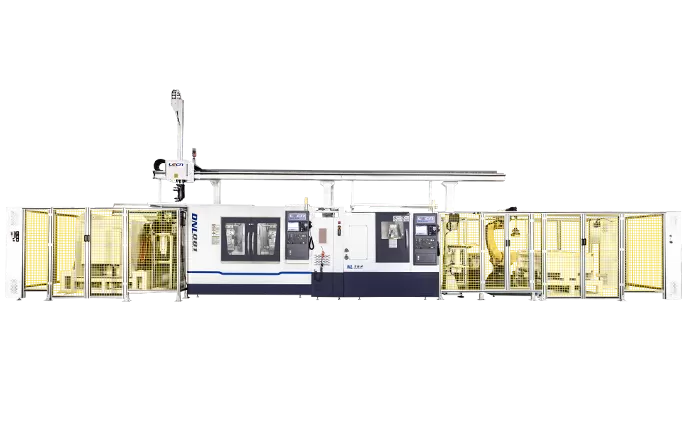
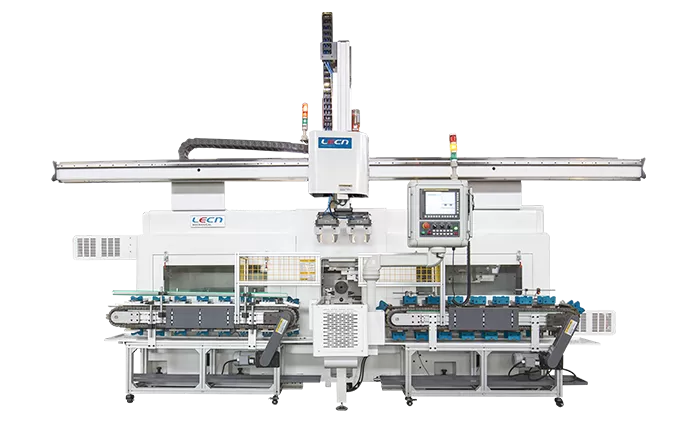
Modern deep hole drilling machines are designed for automation integration, including:
Automatic tool change systems
Robotic loading and unloading
CNC programming for repeatable operations
Automation reduces human error, stabilizes production rhythm, and allows machines to operate continuously across shifts, dramatically improving overall equipment effectiveness.
Advanced CNC deep hole drilling machines support multi-axis control, enabling:
Off-center and angled deep holes
Complex part geometries
Multi-hole drilling in a single setup
Fewer setups translate to shorter production cycles and higher machining efficiency, especially for complex components.
Industries that experience the greatest efficiency gains from deep hole drilling machines include:
Oil and gas equipment manufacturing
Hydraulic cylinder and piston production
Automotive crankshafts and engine components
Aerospace structural parts
Mold and die manufacturing
In these sectors, deep hole accuracy and production speed directly impact product performance and delivery timelines.
Scrap and rejected parts waste machine time, materials, and labor. Deep hole drilling machines minimize scrap by ensuring:
Stable cutting conditions
Precise depth control
Consistent coolant flow
Lower scrap rates improve yield, making production lines more predictable and cost-efficient.
Many modern deep hole drilling machines are equipped with energy-optimized motors, smart hydraulic systems, and efficient coolant circulation. These features:
Reduce power consumption per part
Lower heat accumulation
Enable extended continuous operation
Energy efficiency contributes to sustainable manufacturing while reducing long-term operating costs.
Deep hole drilling machines improve production efficiency by addressing the core limitations of conventional drilling. Through rigid machine structures, advanced coolant systems, precision control, and automation readiness, they enable faster machining, longer tool life, and superior hole quality.
For manufacturers facing high-volume or high-precision deep hole drilling requirements, investing in a dedicated deep hole drilling machine delivers measurable efficiency gains, reduced downtime, and stronger competitive advantage.

Previous: None
Next: None