Jun. 24, 2026
Choosing the right CV joint machine is a critical decision for workshops involved in automotive component manufacturing, remanufacturing, and precision machining. Constant Velocity (CV) joints are essential drivetrain components that require high dimensional accuracy, smooth surface finishes, and consistent production quality.
Whether you operate a small machining workshop, an automotive parts factory, or a large-scale production facility, selecting the appropriate CV joint machine can directly impact production efficiency, product quality, operating costs, and future business growth.
This guide explains the key factors to consider when investing in a CV joint machine.
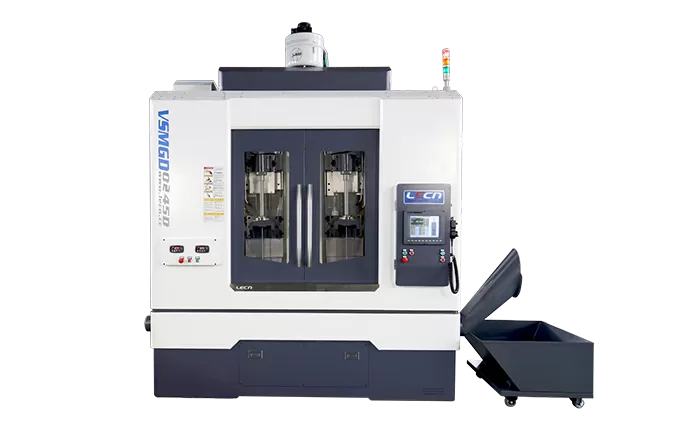
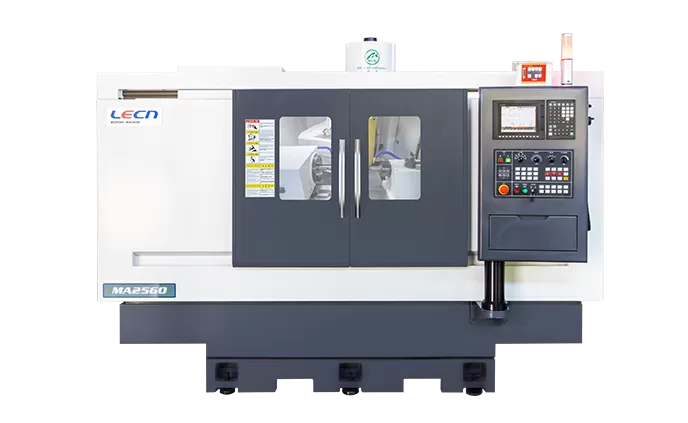
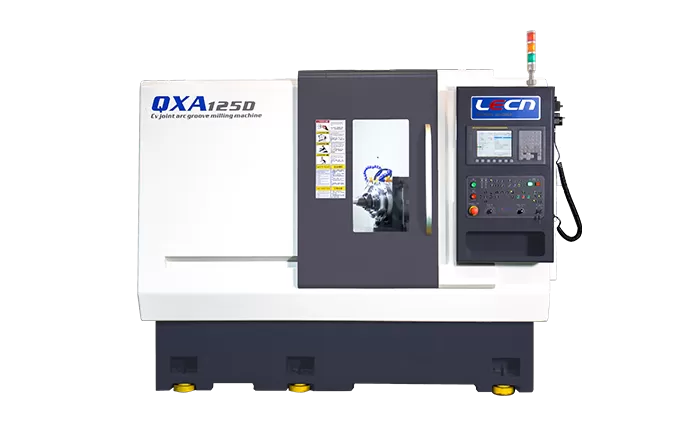
A CV joint machine is specialized equipment designed to manufacture or process Constant Velocity joints used in vehicle drivetrain systems.
Depending on production requirements, a CV joint machine may perform various operations, including:
Turning
Milling
Drilling
Grooving
Grinding
Chamfering
Spline machining
Ball track machining
Deburring
Surface finishing
Inspection
These machines are commonly used in:
Automotive parts manufacturing
CV joint remanufacturing
Drivetrain component production
Heavy vehicle manufacturing
Industrial machinery production
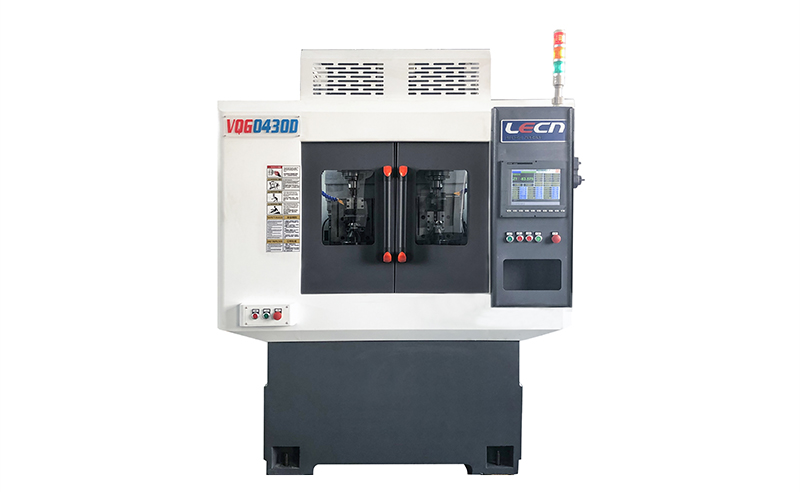
Before purchasing a machine, clearly define your workshop's production goals.
Ask yourself:
What type of CV joints will you produce?
Common types include:
Outer CV joints
Inner CV joints
Tripod joints
Fixed joints
Plunging joints
Different products may require different machining capabilities.
What is your daily production volume?
Production scale significantly influences machine selection.
Typical categories include:
Low-volume custom production
Medium-volume manufacturing
High-volume mass production
Higher output generally requires greater automation.
What material will you process?
Common materials include:
Alloy steel
Carbon steel
Hardened steel
Forged steel
Material hardness affects machine power requirements.
CV joints are precision components that directly affect vehicle performance.
Look for machines capable of maintaining:
High concentricity
Tight dimensional tolerances
Stable repeatability
Excellent surface finish
Consistent batch quality
Precision becomes especially important for export-oriented manufacturers.
Different workshops have different production needs.
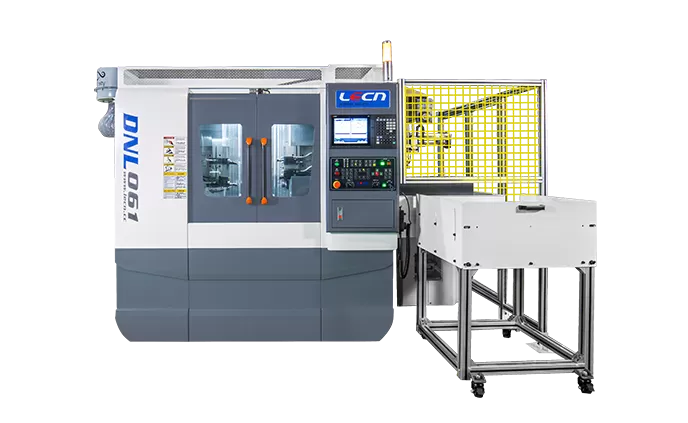
Standalone Machines
Suitable for:
Small workshops
Custom orders
Limited production capacity
Advantages:
Lower investment costs
Easier operation
Flexible production
Semi-Automatic Machines
Suitable for:
Medium-sized factories
Growing businesses
Advantages:
Improved efficiency
Reduced labor costs
Higher consistency
Fully Automatic Production Lines
Suitable for:
Large manufacturers
High-volume production
Advantages:
Maximum productivity
Minimal human intervention
Smart factory integration
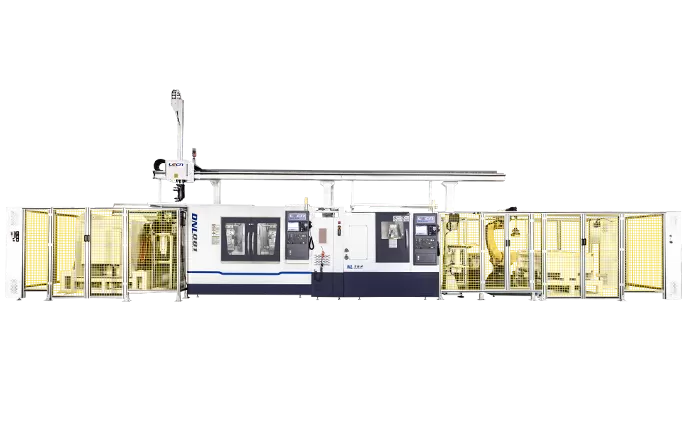
Machines that combine multiple operations reduce production time and equipment investment.
Look for systems that support:
Turning
Milling
Drilling
Chamfering
Grooving
Deburring
Inspection
Multi-function machines help streamline production.
Modern manufacturing increasingly relies on automation.
Choose a machine that supports future upgrades.
Common automation options include:
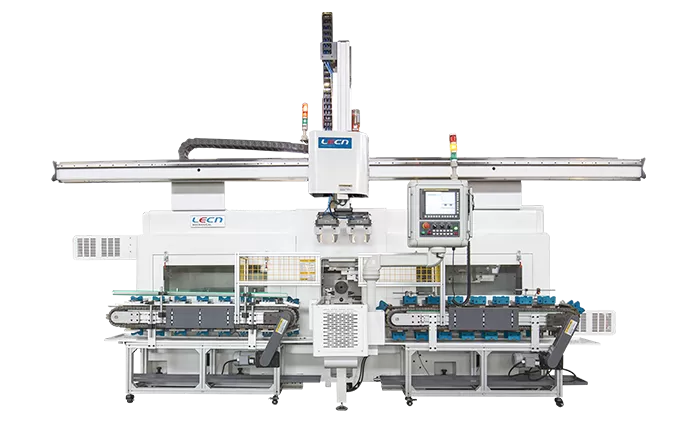
Robotic Loading Systems
Reduce manual handling.
Automatic Conveyors
Improve material flow.
Vision Inspection Systems
Ensure quality consistency.
MES Integration
Monitor production performance.
Smart Sensors
Enable predictive maintenance.
Automation compatibility protects your investment.
CV joint machining often involves high-speed and high-precision operations.
Look for machines with:
Heavy-Duty Machine Beds
Reduce vibration.
High-Rigidity Structures
Maintain long-term accuracy.
Precision Linear Guides
Improve motion stability.
High-Quality Spindles
Ensure smooth operation.
Stable machines produce more consistent results.
Production efficiency directly impacts profitability.
Evaluate:
Cycle time per part
Tool change speed
Loading and unloading time
Machine idle time
Shorter cycles increase output without sacrificing quality.
Your production needs may evolve over time.
Choose machines that allow quick tooling changes.
Important features include:
Modular tooling systems
Easy fixture replacement
Quick setup functions
Flexible programming
Versatile machines can adapt to different product models.
Operator efficiency affects overall productivity.
Choose systems with:
Intuitive CNC Interfaces
Simplify machine operation.
Touchscreen Controls
Improve usability.
Multi-Language Support
Support global operators.
Error Diagnostics
Reduce troubleshooting time.
Production Monitoring
Track machine performance in real time.
User-friendly machines reduce training costs.
Workshop space is valuable.
Before purchasing, measure:
Machine footprint
Loading areas
Maintenance clearance
Automation zones
Ensure enough space for future expansion.
Safety should never be overlooked.
Important safety features include:
Emergency stop systems
Safety interlocks
Protective enclosures
Overload protection
Automatic shutdown functions
Safe workplaces improve operational reliability.
Easy maintenance reduces downtime.
Look for:
Accessible Components
Simplify servicing.
Automatic Lubrication Systems
Reduce manual maintenance.
Predictive Maintenance Features
Detect problems early.
Spare Parts Availability
Ensure quick replacements.
Technical Support
Reliable support minimizes disruptions.
Energy consumption directly affects operating costs.
Look for machines equipped with:
Energy-efficient motors
Intelligent power management
Servo drive systems
Automatic standby modes
Energy-efficient equipment lowers long-term expenses.
Before making a final decision, ask suppliers:
What is the machine's production capacity?
What accuracy can it achieve?
What materials can it process?
Is automation available?
What software is included?
What training is provided?
What is the warranty period?
Are spare parts readily available?
Is remote technical support offered?
Can the machine be customized?
Reliable suppliers will provide clear answers.
Choosing Based Only on Price
Low-cost machines may lead to higher maintenance costs.
Ignoring Future Expansion
Buy equipment that can grow with your business.
Underestimating Production Volume
Insufficient capacity creates bottlenecks.
Overbuying Complex Systems
Avoid paying for features you do not need.
Neglecting Technical Support
Strong after-sales service is essential.
These machines are widely used in:
Automotive Manufacturing
Production of passenger vehicle drivetrain components.
Commercial Vehicle Production
Heavy-duty transmission systems.
Auto Parts Suppliers
OEM and aftermarket component production.
Remanufacturing Facilities
Refurbishment and rebuilding operations.
Industrial Machinery Manufacturing
Precision rotating components.
The right equipment delivers long-term advantages.
Higher Productivity
Increase output without increasing labor.
Better Product Quality
Maintain consistent precision.
Lower Operating Costs
Reduce waste and downtime.
Improved Competitiveness
Meet demanding customer requirements.
Greater Production Flexibility
Adapt to changing market demands.
Easier Automation Integration
Support smart manufacturing initiatives.
Choosing the right CV joint machine is more than a purchasing decision—it's a strategic investment in your workshop's future. By carefully evaluating production capacity, machining precision, automation capabilities, maintenance requirements, and scalability, manufacturers can select equipment that supports both current operations and long-term growth.
As automotive manufacturing continues to move toward intelligent, efficient, and automated production, investing in the right CV joint machine will help your workshop improve quality, increase profitability, and remain competitive in a rapidly evolving market.

Previous: None
Next: None