Oct. 13, 2025
Deep hole drilling machines are critical assets for modern factories that demand high-precision, high-depth machining. They are widely used in industries such as automotive, aerospace, energy, mold making, and hydraulic engineering. Selecting the right machine involves more than checking specifications — it requires a thorough understanding of your production requirements, material types, and long-term operational goals.
This comprehensive guide explains how to choose the best deep hole drilling machine for your factory step by step.
A deep hole drilling machine is designed to produce holes where the depth-to-diameter ratio exceeds 10:1 — and in some cases, even up to 100:1. These machines are engineered to maintain accuracy, stability, and efficiency while drilling extremely deep holes, something that conventional CNC machines cannot achieve.
They use specialized drilling systems such as BTA (Boring and Trepanning Association), Gundrill, or Ejector methods, all of which are designed to ensure smooth chip removal and continuous coolant flow throughout the drilling process.
Common applications include: automotive engine blocks, crankshafts, aerospace landing gear, hydraulic manifolds, injection molds, oilfield pipes, and precision medical tools.
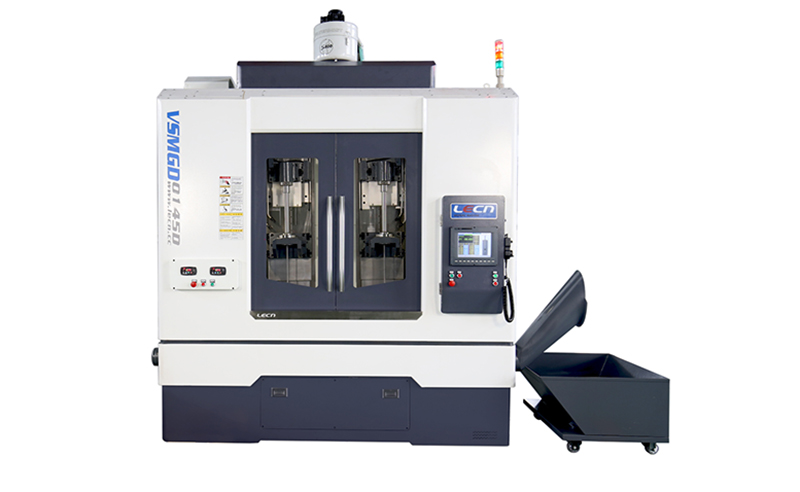
Step 1: Define Your Production Needs
The first step in choosing the right deep hole drilling machine is to clearly define your production requirements. You need to understand the size, material, and type of components you plan to drill.
Ask yourself the following questions:
What is the range of hole diameters you need to produce? (for example, 3mm to 200mm)
What is the maximum drilling depth required? (500mm, 1000mm, 3000mm, or more?)
What types of materials are being machined — steel, stainless steel, titanium, or aluminum?
What level of precision and surface finish do your parts require?
Is your production batch small and customized, or large-scale and repetitive?
For example, a hydraulic cylinder manufacturer typically needs a BTA-type deep hole drilling machine with a strong chip evacuation system and high-pressure coolant.
Meanwhile, a mold maker producing small and precise cooling holes would be better suited to a single-lip gundrill machine with high accuracy and tight tolerances.
Step 2: Know the Different Machine Types
Deep hole drilling machines come in several main configurations, and understanding their capabilities helps match them to your production goals.
Gundrilling machines are ideal for small-diameter and high-precision holes, usually between 1mm and 40mm. They are commonly used for molds, dies, and precision components.
BTA deep hole drilling machines are designed for larger hole diameters, from 18mm to 200mm. These machines deliver high drilling speeds and superior chip evacuation, making them ideal for heavy-duty applications like oilfield tools, power plant parts, and pressure vessels.
Ejector system machines use a dual-tube design for simpler chip removal and are often chosen for retrofitting onto existing CNC machines.
For factories that produce hydraulic cylinders or tubes, skiving and burnishing machines are used to achieve mirror-like surface finishes after drilling.
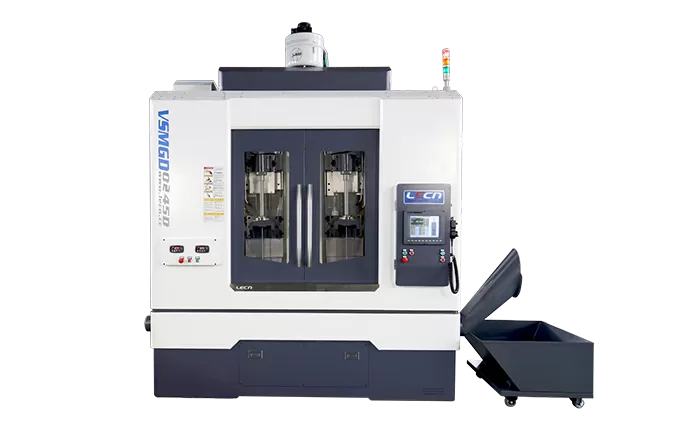
Finally, CNC multi-spindle deep hole drilling machines allow multiple holes to be drilled simultaneously, greatly improving productivity in automotive or aerospace component production.
Step 3: Evaluate Machine Structure and Rigidity
Machine rigidity plays a decisive role in determining drilling accuracy and stability. When comparing different models, pay attention to the following:
Machine bed: A robust, vibration-resistant base made of cast iron or a composite material ensures stability.
Spindle system: High-performance servo-driven spindles provide consistent rotational speed and torque control.
Guide bushings: These help align the tool precisely, preventing deflection during long drilling operations.
Workpiece support: For long or heavy parts, make sure the machine includes steady rests and a tailstock system to prevent vibration.
Coolant system: A high-pressure coolant delivery system is essential for chip removal and heat control.
A rigid, well-engineered structure will ensure straight, accurate holes even under continuous, high-speed operation.
Step 4: Consider CNC Control and Automation Features
Automation has become a major differentiator in deep hole drilling machine performance. Modern CNC systems enable precise control of drilling depth, feed rate, and coolant pressure while allowing multi-axis movement for complex workpieces.
Look for machines with advanced CNC control systems that include automatic tool compensation, digital monitoring, and error diagnostics.
Other useful features include:
Automatic tool changers (ATC)
Real-time drilling depth feedback
Multi-axis control for angled holes
Automatic chip conveyors and filtration units
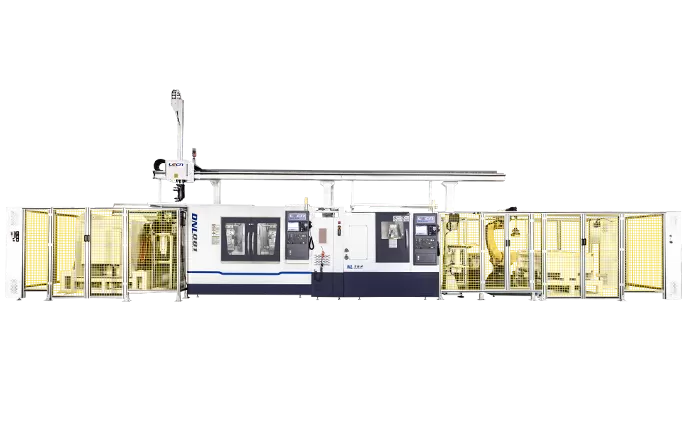
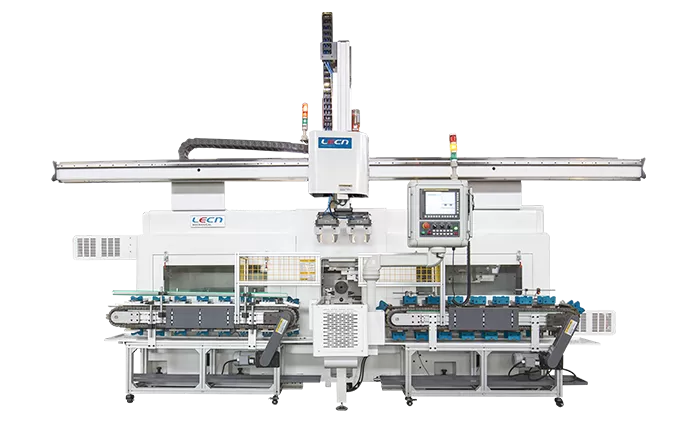
Robotic loading and unloading systems
For high-volume production, a CNC multi-spindle machine can increase efficiency by drilling several holes simultaneously, reducing cycle time and labor requirements.
Step 5: Focus on Coolant and Chip Evacuation
Efficient chip evacuation is the key to successful deep hole drilling. Inadequate chip removal can lead to tool breakage, poor surface quality, and hole deviation.
Choose a machine with a high-pressure coolant system — ideally up to 150 bar or higher — along with fine filtration (5–20 microns) to remove even the smallest chips. An automatic coolant temperature control system helps maintain consistent cutting performance.
Proper chip evacuation not only extends tool life but also improves hole straightness and surface finish.
Step 6: Evaluate Precision and Surface Quality
In precision industries like aerospace, mold manufacturing, and hydraulics, drilling accuracy is a top priority. The best machines are capable of maintaining hole straightness within 0.05mm per 100mm depth and achieving surface roughness as fine as Ra 0.8μm.
High-end models now integrate laser measurement sensors or on-machine inspection probes that automatically adjust tool compensation and detect deviations in real time. These features guarantee repeatable accuracy, even in long production runs.
Step 7: Check After-Sales Service and Support
A deep hole drilling machine is a long-term investment, and after-sales support determines how well it performs over time. Before purchasing, confirm that the manufacturer provides:
On-site installation and operator training
Access to spare parts and tooling
Remote technical diagnostics and online service
Scheduled maintenance programs or service contracts
Choosing a supplier with reliable support ensures reduced downtime and long-term machine stability.
Step 8: Calculate the Return on Investment (ROI)
While the upfront cost of a high-quality deep hole drilling machine may seem high, it’s important to consider the total cost of ownership.
A reliable CNC deep hole drilling machine will usually deliver higher productivity, reduced tool wear, and consistent accuracy — resulting in faster ROI. Factors that influence ROI include:
Cycle time per part
Energy consumption
Maintenance costs
Tool life and replacement frequency
Machine lifespan and reliability
Factories that adopt advanced CNC and automation systems often see 20–30% improvement in efficiency compared with traditional manual drilling setups.
Step 9: Choose a Trusted Manufacturer
Selecting a reputable manufacturer ensures both product quality and reliable technical support.
Well-known international brands include Precihole (India) for high-speed gundrilling systems, TIBO (Germany) for modular BTA solutions, IMSA (Italy) for aerospace-grade machines, and Mollart (UK) for precision tooling applications.
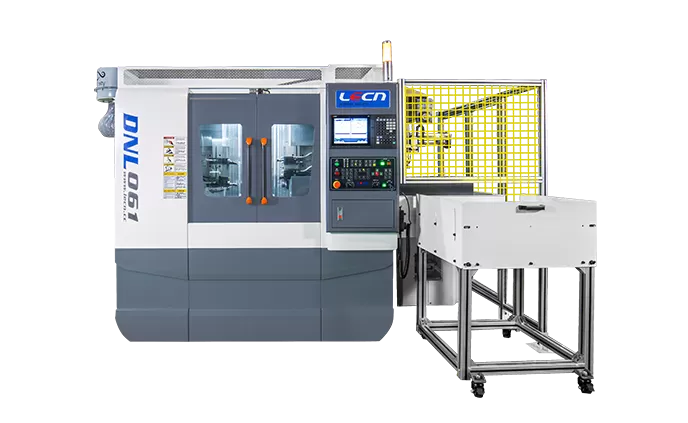
For factories looking for a balance between performance and affordability, LECN (China) has become a strong player in the market, offering customized CNC deep hole drilling solutions, robotic automation integration, and strong after-sales service.
Choosing the right deep hole drilling machine requires careful evaluation of your production requirements, precision needs, and automation goals. From selecting the proper drilling method to analyzing coolant systems and long-term ROI, every decision impacts productivity and part quality.
In 2025 and beyond, the deep hole drilling industry is moving toward smarter, more automated, and energy-efficient systems. Investing in a CNC-controlled deep hole drilling machine with intelligent monitoring and high-pressure coolant systems will ensure your factory remains competitive, precise, and ready for future manufacturing challenges.

Previous: None
Next: None