Jan. 14, 2026
Rolling machines play a critical role in metal forming, plate bending, profile rolling, and structural fabrication. Whether used for steel plates, aluminum sheets, or heavy-duty profiles, a rolling machine represents a significant capital investment. However, premature wear, accuracy loss, and unexpected downtime often result from inadequate maintenance rather than machine quality itself.
Implementing proper maintenance practices can extend the service life of a rolling machine by years, improve forming accuracy, and reduce operating costs. This guide covers practical, experience-based maintenance tips that manufacturers and operators can apply immediately.
Rolling machines often operate under high load, continuous pressure, and repetitive motion, which accelerates wear on mechanical and hydraulic components. Maintenance planning should consider:
Material thickness and hardness being processed
Daily operating hours and production cycles
Environmental factors such as dust, humidity, and temperature
Manual vs. automated operation frequency
Machines running heavy plates or high-strength materials require shorter inspection intervals and more frequent lubrication than light-duty applications.
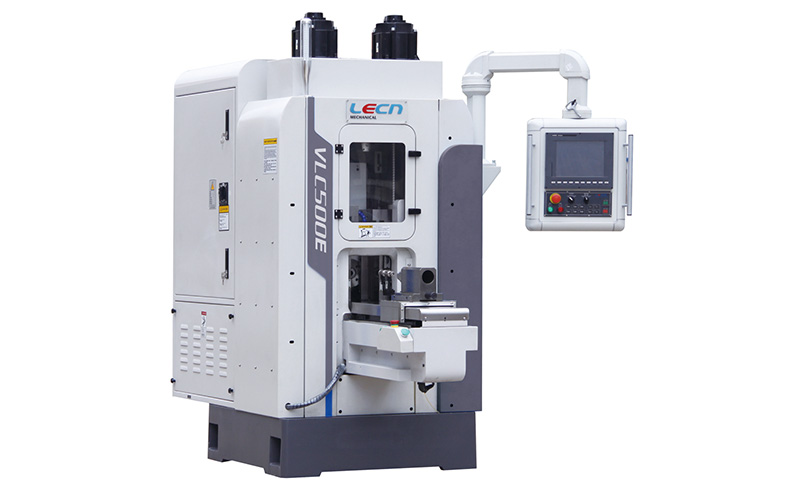
Daily inspections are one of the most effective ways to extend rolling machine lifespan. Operators should perform visual and functional checks before starting each shift.
Pay close attention to:
Abnormal noise during startup or rolling
Irregular vibration or resistance in rollers
Oil leaks around hydraulic lines and seals
Changes in rolling accuracy or symmetry
Addressing minor abnormalities early helps prevent gear damage, bearing failure, and roller misalignment, which are costly to repair.
Insufficient or incorrect lubrication is one of the most common causes of rolling machine wear. Rollers, bearings, gears, and guide rails all depend on stable lubrication to reduce friction and heat.
Best practices include:
Use lubricants recommended by the machine manufacturer
Avoid mixing different oil types
Maintain clean lubrication points to prevent contamination
Follow a fixed lubrication schedule rather than reactive oiling
Hydraulic oil should also be monitored closely. Contaminated or degraded hydraulic oil leads to unstable pressure, valve malfunction, and premature seal failure.
Rollers are the core working components of any rolling machine. Over time, metal debris, scale, and residue accumulate on roller surfaces, directly affecting rolling accuracy.
To protect rollers:
Clean roller surfaces after each production shift
Remove sharp metal chips and abrasive particles
Apply anti-rust oil during long idle periods
Avoid rolling materials beyond rated hardness or thickness
Even minor surface damage can create uneven pressure distribution, accelerating roller fatigue.
Roller misalignment is a silent but destructive issue. Poor parallelism increases stress on bearings and frames, reducing machine accuracy and lifespan.
Maintenance teams should:
Check roller parallelism periodically
Inspect adjustment screws and locking mechanisms
Recalibrate after processing heavy or oversized plates
Ignoring alignment issues often results in cone-shaped parts, inconsistent curvature, and excessive roller edge wear.
Most modern rolling machines rely heavily on hydraulic systems. Stable hydraulic performance ensures smooth rolling motion and accurate pressure control.
Key maintenance actions include:
Inspect hydraulic hoses for cracks and swelling
Replace aging seals before leakage occurs
Clean or replace filters on schedule
Monitor system pressure for abnormal fluctuations
Air bubbles or contamination in hydraulic oil can cause erratic movement and long-term component damage.
Electrical failures often originate from neglect rather than component defects. Dust, vibration, and temperature fluctuations affect sensors, wiring, and control modules.
To protect the electrical system:
Keep control cabinets clean and sealed
Tighten terminal connections periodically
Avoid moisture accumulation inside panels
Ensure grounding is stable and compliant
Reliable electrical systems prevent unexpected shutdowns and extend the lifespan of servo motors and control units.
Operator behavior directly affects rolling machine longevity. Incorrect loading, excessive force, or bypassing safety procedures significantly increases mechanical stress.
Effective training should cover:
Correct material positioning
Gradual pressure application
Machine capacity limits
Emergency stop procedures
Well-trained operators reduce shock loads, misfeeds, and operational abuse, all of which shorten service life.
Preventive maintenance is far more cost-effective than reactive repairs. Establishing a structured maintenance plan helps detect wear before it leads to failure.
A proper schedule should include:
Weekly functional inspections
Monthly lubrication and alignment checks
Quarterly hydraulic oil analysis
Annual comprehensive machine assessment
This approach minimizes downtime and protects long-term machine value.
When rolling machines are idle for extended periods, corrosion and seal degradation become major risks.
Before shutdown:
Clean all exposed metal surfaces
Apply rust inhibitors
Relieve hydraulic pressure
Cover the machine to prevent dust and moisture exposure
Proper storage practices ensure the machine remains production-ready when operations resume.
Rolling machines are designed for long-term, heavy-duty operation—but only when properly maintained. Consistent inspection, correct lubrication, careful operation, and proactive servicing can significantly extend service life while maintaining rolling accuracy and safety.
For manufacturers seeking stable output, reduced downtime, and maximum return on equipment investment, systematic rolling machine maintenance is essential.

Previous: None
Next: None