Mar. 17, 2026
In industries where accuracy, surface finish, and structural integrity are critical, deep hole drilling plays a vital role. From aerospace components to hydraulic systems and mold manufacturing, selecting the right deep hole drilling machine directly impacts product quality, production efficiency, and overall manufacturing costs.
This guide provides a comprehensive overview to help buyers and engineers choose the most suitable deep hole drilling solution for high-precision applications.
Deep hole drilling refers to machining holes with a depth-to-diameter ratio typically greater than 10:1. In high-precision industries, these holes must maintain strict tolerances, excellent straightness, and superior surface finish.
Unlike conventional drilling, deep hole drilling requires specialized machines and tooling systems to ensure accuracy over extended depths while effectively managing heat, chip removal, and tool stability.
Why Machine Selection Matters in High-Precision Applications
Choosing the wrong machine can lead to issues such as hole deviation, poor surface quality, excessive tool wear, and increased rejection rates. For high-precision applications, even minor inaccuracies can compromise the functionality of the final component.
A well-matched deep hole drilling machine ensures:
Consistent hole straightness and roundness
Minimal vibration and deflection
Stable machining over long cycles
Reduced scrap and rework costs
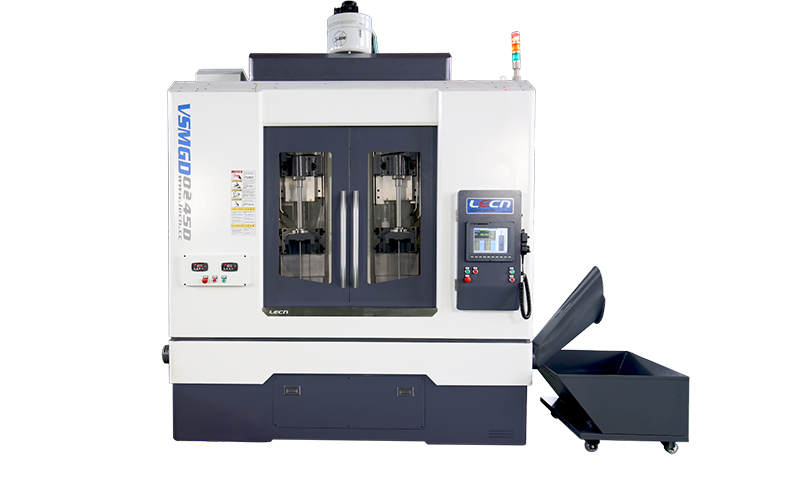
Understanding different machine types is the first step in making the right selection.
Gun Drilling Machines
Gun drilling is widely used for small to medium diameter deep holes. It offers excellent straightness and surface finish, making it ideal for precision components such as fuel injection parts and medical instruments.
BTA (Boring and Trepanning Association) Machines
BTA drilling is suitable for larger diameter holes and high-volume production. It allows for higher material removal rates and efficient chip evacuation, commonly used in oil and gas or heavy equipment manufacturing.
Skiving and Roller Burnishing Machines
These machines combine drilling with finishing processes, achieving both dimensional accuracy and superior surface roughness in a single operation. They are often used for hydraulic cylinders and high-performance tubes.
Hole Diameter and Depth Requirements
The size and depth of the hole determine the type of machine and tooling required. Gun drilling is better for smaller diameters, while BTA systems are more efficient for larger holes.
Material Type
Different materials require different cutting parameters and machine capabilities. For example, stainless steel and titanium demand higher rigidity and cooling efficiency compared to aluminum or mild steel.
Precision Requirements
Applications with tight tolerances require machines with high spindle stability, advanced guide systems, and precise control over feed rates and speeds.
Surface Finish Expectations
If the application requires superior surface quality, consider machines that support secondary finishing processes such as honing or roller burnishing.
Production Volume
High-volume production environments benefit from automated systems with features like multi-axis control, automatic loading, and continuous operation capabilities.
Cooling and Chip Removal System
Efficient coolant delivery and chip evacuation are critical in deep hole drilling. Machines with high-pressure coolant systems ensure stable cutting conditions and prevent tool damage.
Exceptional Accuracy
Advanced machines maintain tight tolerances even at extreme depths, ensuring consistent part quality.
Improved Surface Integrity
Proper tooling and machine stability reduce surface defects, enhancing performance in critical applications.
Increased Productivity
Optimized cutting parameters and automation enable faster cycle times and higher output.
Longer Tool Life
Stable machining conditions reduce tool wear, lowering overall tooling costs.
Deep hole drilling machines are essential in a wide range of industries.
In aerospace, they are used for turbine shafts and structural components that require precise internal channels. In the automotive sector, they are critical for fuel injection systems and transmission parts. Hydraulic and pneumatic industries rely on deep hole drilling for cylinder bores and valve components.
Oil and gas applications often involve large-diameter deep holes in heavy-duty components, while mold manufacturing requires precise cooling channels to improve mold performance and lifespan.
Hole Deviation
Using guide bushings and high-rigidity machines helps maintain straightness over long drilling distances.
Poor Surface Finish
Optimizing cutting parameters and using appropriate tooling materials can significantly improve surface quality.
Chip Blockage
High-pressure coolant systems and proper chip evacuation design prevent clogging and ensure smooth operation.
Tool Wear
Selecting the right cutting tools and maintaining proper lubrication extends tool life and improves efficiency.
Maintenance Considerations
Regular maintenance is essential to keep deep hole drilling machines operating at peak performance. This includes checking coolant systems, ensuring proper lubrication, and inspecting tooling and guide elements.
Periodic calibration and alignment checks help maintain accuracy, while keeping the machine clean prevents contamination that could affect machining quality.
As manufacturing moves toward smarter systems, deep hole drilling machines are becoming more advanced and connected.
Technologies such as real-time monitoring, IoT integration, and predictive maintenance are helping manufacturers reduce downtime and improve efficiency. Automation and robotics are also being integrated to support high-volume, precision-driven production environments.
Selecting the right deep hole drilling machine for high-precision applications is a critical decision that influences product quality, operational efficiency, and long-term cost control.
By understanding your specific requirements—such as hole size, material, precision level, and production volume—you can choose a machine that delivers consistent, high-quality results while maximizing productivity.
For manufacturers aiming to stay competitive in precision-driven industries, investing in the right deep hole drilling technology is not just beneficial—it is essential.

Previous: None
Next: None