Mar. 17, 2026
In today’s competitive manufacturing landscape, efficiency and precision are no longer optional—they are essential. For industries that rely on high-quality shaft components, investing in a Shaft Parts Automatic Turning Unit is one of the most effective ways to improve production performance while maintaining strict quality standards.
From automotive and aerospace to industrial machinery and energy sectors, automatic turning technology is redefining how shaft parts are produced at scale.
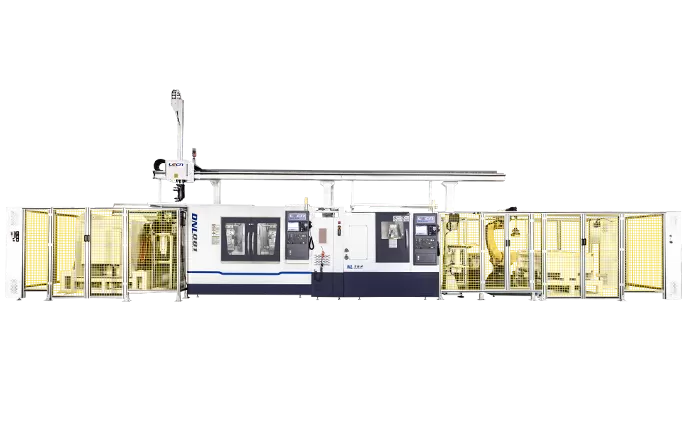
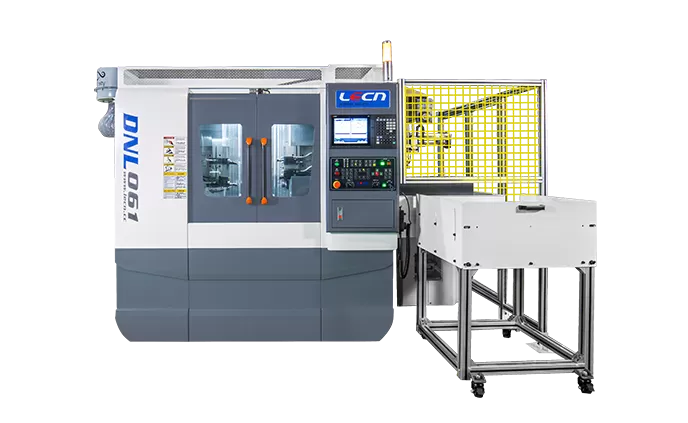
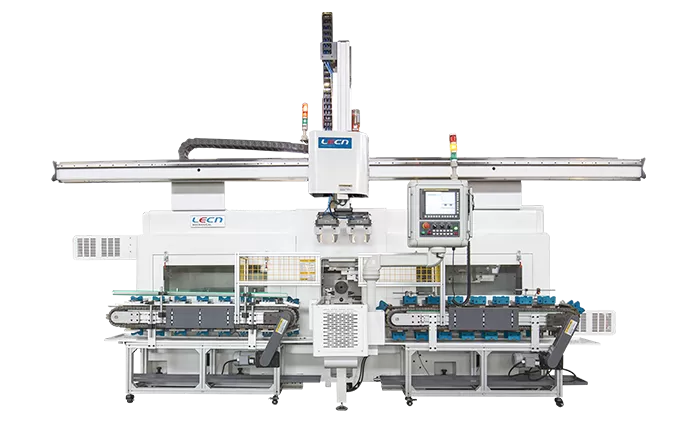
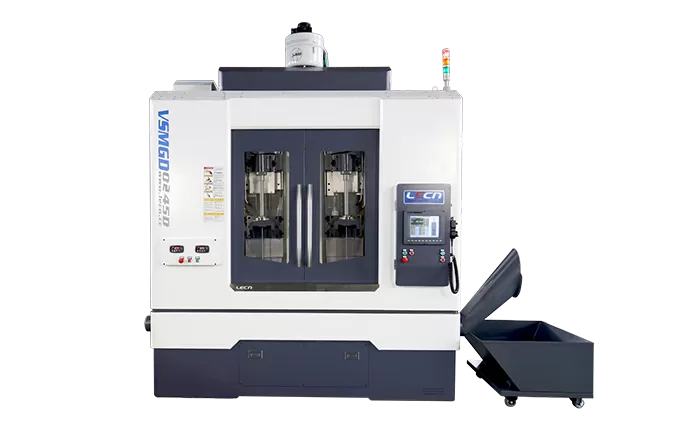
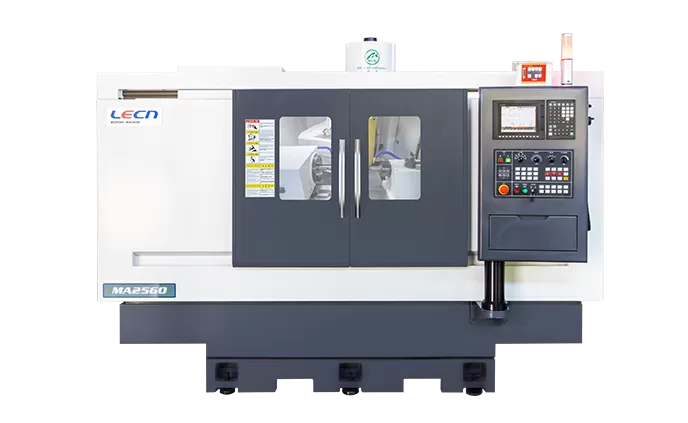
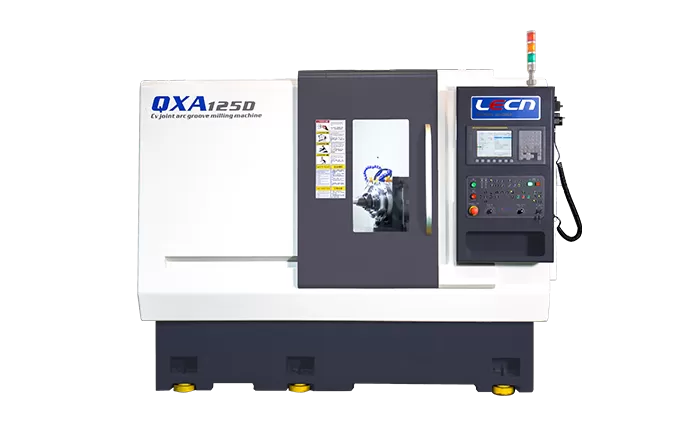
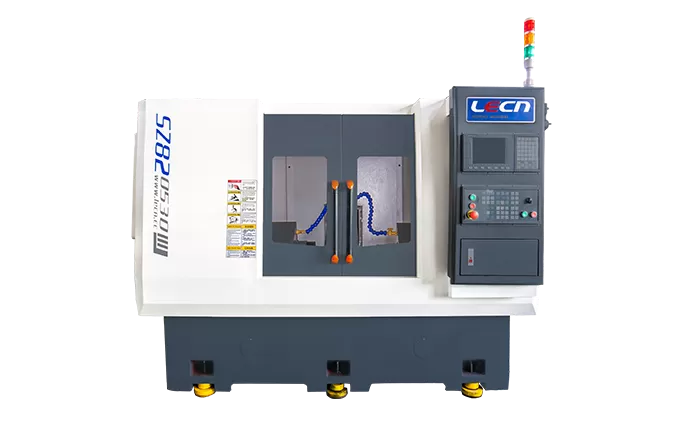
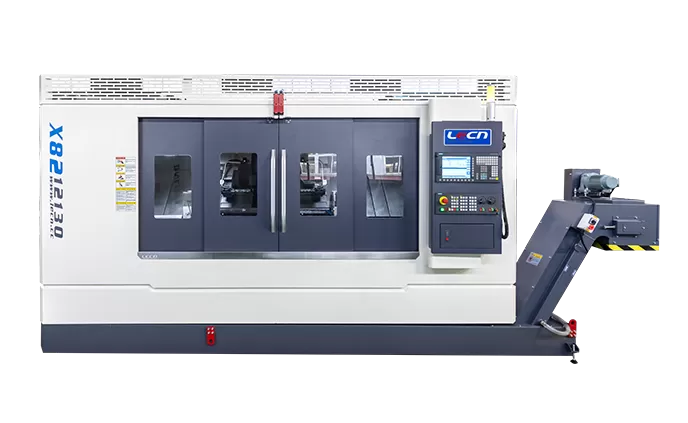
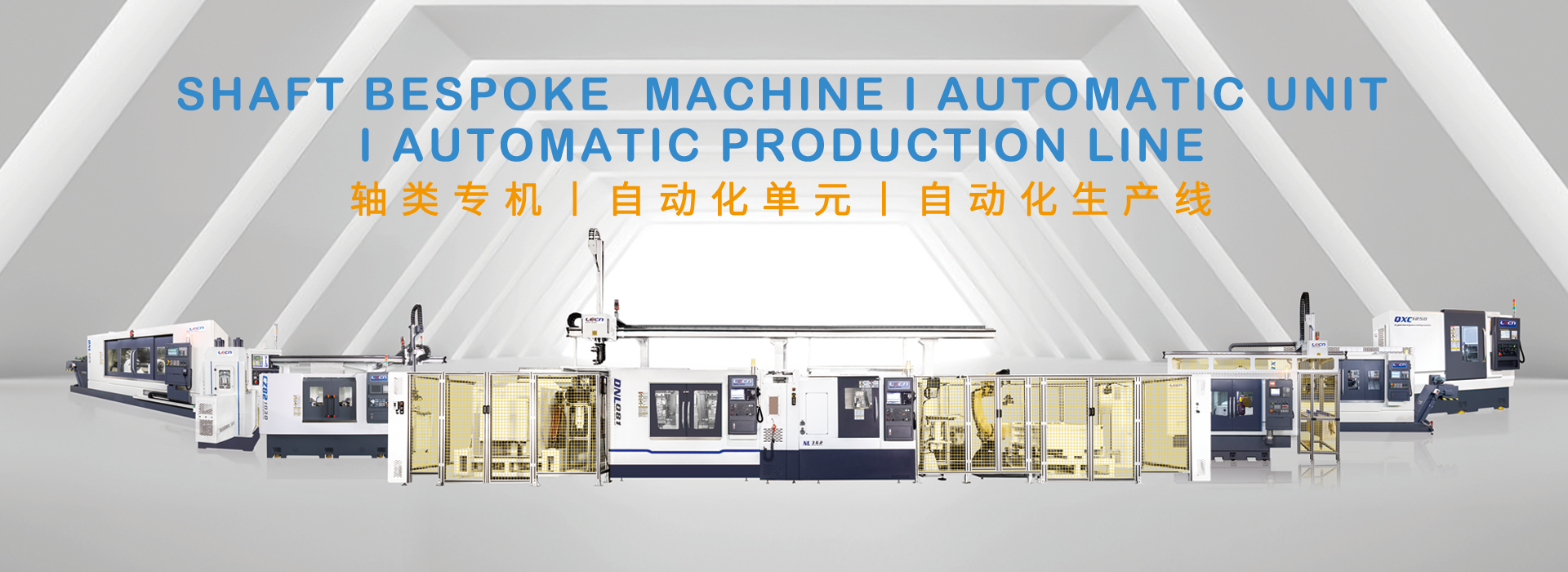
A Shaft Parts Automatic Turning Unit is a highly automated CNC machining system designed specifically for producing shaft-type components. It integrates material feeding, precision turning, and finished part handling into a continuous, automated workflow.
Compared to traditional machining methods, this type of equipment significantly reduces manual intervention while delivering consistent, high-precision results.
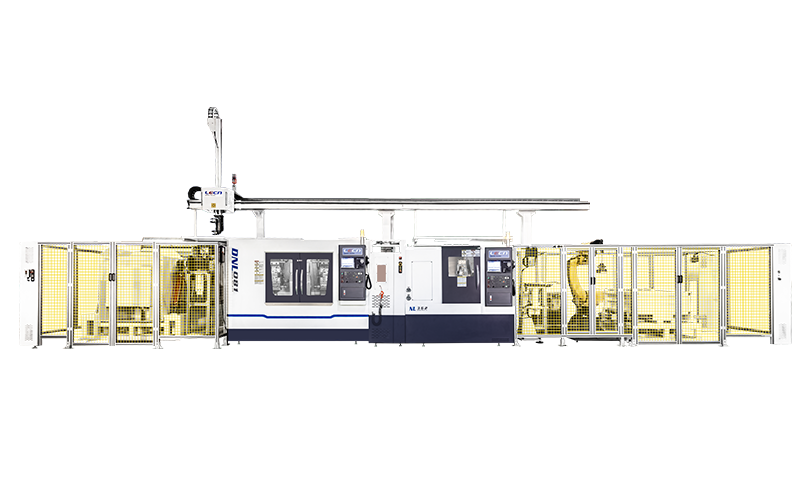
The working principle revolves around automation and precision control. Raw materials, typically in bar form, are fed into the machine through an automatic feeder. The CNC system then controls the entire machining process, including turning, facing, drilling, threading, and grooving.
Once machining is complete, finished parts are automatically unloaded, allowing the system to run continuously with minimal operator involvement. Advanced models also include in-line inspection systems that monitor dimensions in real time, ensuring consistent quality throughout production.
High Precision and Surface Quality
Shaft components often require extremely tight tolerances, especially in industries like aerospace and automotive. Automatic turning units are designed to deliver exceptional dimensional accuracy and smooth surface finishes, reducing or even eliminating the need for secondary processing.
Continuous Automated Production
One of the biggest advantages is the ability to operate continuously. With automatic feeding and unloading systems, manufacturers can achieve true 24/7 production, significantly increasing output without increasing labor costs.
Flexible Machining Capabilities
These machines are capable of producing a wide variety of shaft designs, including stepped shafts, threaded shafts, and complex geometries. They can also handle different materials such as stainless steel, carbon steel, aluminum, brass, and high-performance alloys.
Intelligent Control Systems
Modern units are equipped with advanced CNC and PLC systems that allow for precise control, tool compensation, and fault detection. This reduces downtime and ensures stable production performance.
Lower Cost per Part
Automation reduces reliance on manual labor and minimizes human error, leading to a more cost-efficient production process over time.
Consistent Product Quality
With CNC-controlled operations, every shaft produced meets the same specifications, which is critical for industries that demand reliability and precision.
Faster Order Fulfillment
High-speed machining and continuous operation enable manufacturers to meet tight deadlines and large-volume orders with ease.
Reduced Material Waste
Precision machining and real-time monitoring help optimize material usage and significantly reduce scrap rates.
Shaft Parts Automatic Turning Units are widely used in various sectors due to their versatility and precision.
In the automotive industry, they are essential for producing drive shafts, transmission components, and steering parts. In aerospace, they are used for high-precision rotating components where reliability is critical. Industrial machinery manufacturers rely on them for motor shafts, pump shafts, and gearbox components. In the energy sector, they are commonly used for producing components for wind turbines and oil and gas equipment.
Selecting the right machine is a key decision that impacts long-term productivity and profitability.
Start by evaluating the size range of the shafts you need to produce, including both diameter and length. Make sure the machine can handle your specific requirements without compromising efficiency.
Next, consider your production volume. High-volume manufacturing requires machines with faster cycle times, reliable automation systems, and minimal downtime.
The CNC control system is another important factor. A user-friendly interface and compatibility with CAD/CAM software can greatly improve programming efficiency and reduce setup time.
Tooling flexibility also plays a crucial role, especially if you produce multiple types of shaft components. Machines with quick-change tooling systems can significantly reduce downtime between jobs.
Finally, reliable after-sales support should not be overlooked. Access to technical support, spare parts, and maintenance services ensures long-term operational stability.
Compared to conventional CNC lathes or manual turning processes, automatic turning units offer a much higher level of efficiency and consistency. Traditional methods often depend heavily on operator skill and are better suited for small-batch production.
In contrast, automatic turning units are designed for mass production, where speed, repeatability, and minimal labor involvement are critical. This makes them the preferred choice for manufacturers aiming to scale their operations.
To ensure optimal performance and extend machine lifespan, regular maintenance is essential. Keeping the machine properly lubricated helps reduce wear on moving components. Monitoring tool condition and replacing worn tools in time prevents defects and maintains machining accuracy.
Routine calibration of the CNC system ensures consistent precision, while regular cleaning of chips and coolant residues helps prevent mechanical issues. Periodic inspection of electrical and hydraulic systems also contributes to stable operation.
As manufacturing continues to evolve, automatic turning units are becoming more intelligent and connected. Technologies such as IoT-enabled monitoring allow manufacturers to track machine performance remotely and identify potential issues before they lead to downtime.
Artificial intelligence is also being integrated into machining processes, enabling predictive maintenance and further optimizing production efficiency. These advancements are driving the transition toward fully connected smart factories.
A Shaft Parts Automatic Turning Unit is a powerful solution for manufacturers seeking to improve precision, efficiency, and scalability in shaft production. By combining advanced automation with high-performance machining capabilities, it enables businesses to stay competitive in demanding global markets.
For companies focused on quality, consistency, and cost control, investing in automatic turning technology is a strategic move that delivers long-term value.

Previous: None
Next: None